📑 Table of Contents
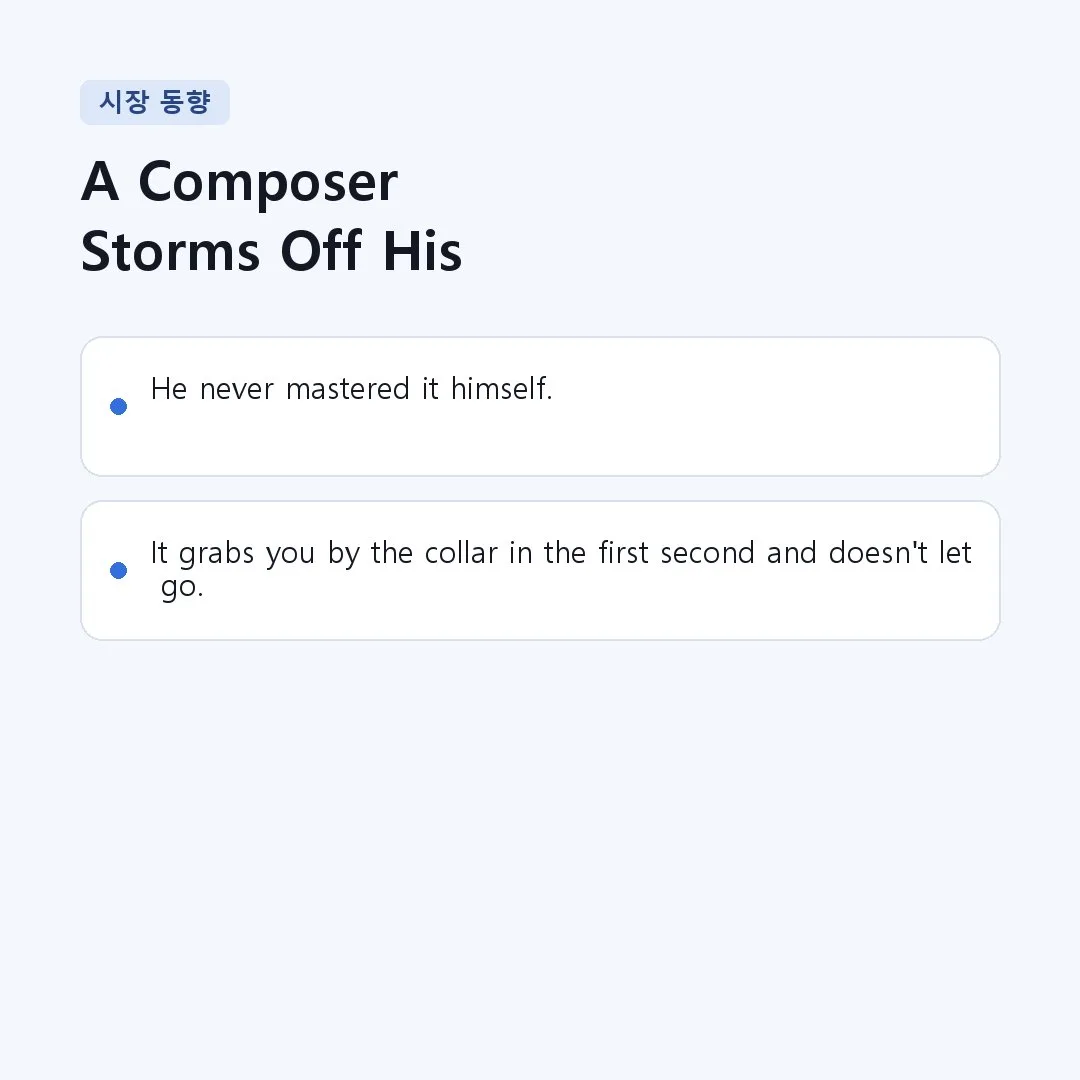
There’s a story that gets told about this piece, and whether or not every detail is exact, it captures something true. Franz Schubert—one of the great melodists in all of Western music—reportedly sat down to play his own Wanderer Fantasy in front of friends, hit the storm of notes in the finale, stopped, and stood up muttering that the devil could play the thing. He never mastered it himself.
That’s where we’re starting, because it tells you immediately what kind of music this is. The opening movement, marked Allegro con fuoco—”fast, with fire”—does not ease you in. It grabs you by the collar in the first second and doesn’t let go. If you’ve come looking for the gentle, song-spinning Schubert of Ave Maria, you’ll find that side of him later in the piece. But this opening is Schubert with his sleeves rolled up, writing music that pushes against the absolute limit of what ten fingers can do.
Who Was Schubert, and Why Does This Matter
Franz Schubert (1797–1828) lived only thirty-one years and spent most of them broke, largely unrecognized, and writing at a furious pace—over six hundred songs, plus symphonies, chamber works, and piano music. He worked in the long shadow of Beethoven, who lived in the same city of Vienna, and he idolized him.
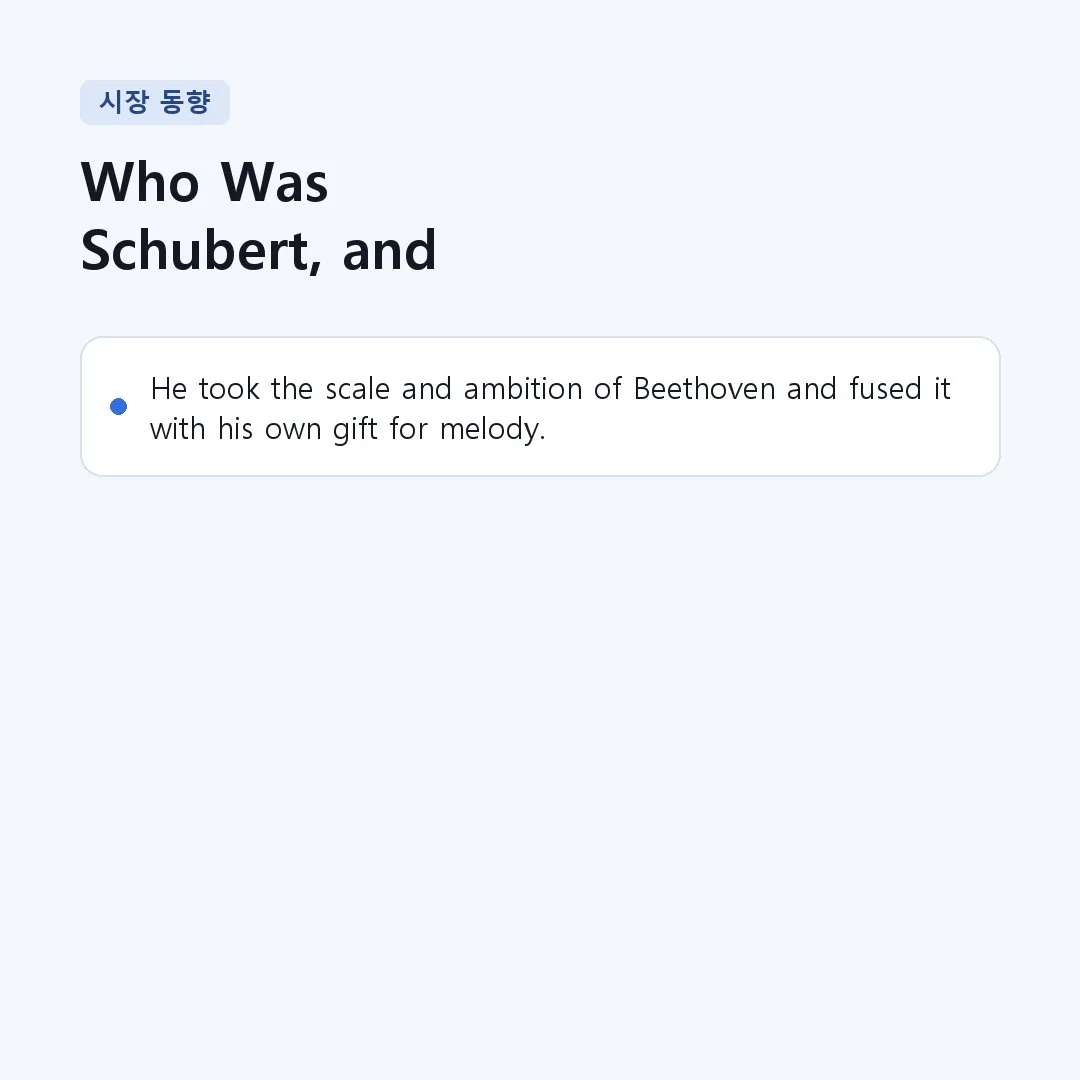
For most of his short life, Schubert was known—if known at all—as a writer of lieder, German art songs: small, intimate pieces for a single singer and piano. The Wanderer Fantasy, written in November 1822 when he was just twenty-five, is what happens when that song-writer reaches for something enormous. He took the scale and ambition of Beethoven and fused it with his own gift for melody. The result is one of the most demanding piano works of its era, and arguably the most virtuosic thing he ever wrote.
The One Idea That Runs Through Everything
Here’s the concept that makes this piece special, and you don’t need to read music to grasp it. The entire Wanderer Fantasy—all four sections, played without pause—is built from a single musical idea. One rhythmic fingerprint shows up again and again, transformed each time: fast, slow, triumphant, mournful, then triumphant again.
The seed comes from one of Schubert’s own songs, “Der Wanderer” (The Wanderer), written years earlier. It’s a bleak song about a lonely traveler who feels at home nowhere—a stranger everywhere he goes. Schubert lifted a fragment of that song and made it the DNA of this entire work. That’s why it’s called the Wanderer Fantasy.
Think of it like a film score where one theme keeps returning in different costumes—a hero’s motif that’s confident in the opening, tender in the love scene, and shattered in the tragedy. Schubert did this decades before film existed, and composers who came after him, especially Franz Liszt, studied this piece obsessively because of it. This “one theme, many faces” approach became one of the most important ideas in nineteenth-century music.
How to Listen to the Allegro con fuoco
You don’t need a score. Just listen for these landmarks in the opening movement:
The hammering opening (0:00). The piece begins with a driving, repeated rhythmic pattern—short and insistent, like a heartbeat that won’t slow down. This is the “wanderer” rhythm. Let it lodge in your ear, because everything grows out of it.
The relentless drive (the first minute or so). Notice there’s almost no rest. The energy keeps surging forward. This is the con fuoco—the fire. It feels less like a melody you can hum and more like a force of nature gathering speed.
Moments of light breaking through. Listen for passages where the storm briefly opens up into something grander and more major-key—triumphant, almost heroic. Then the drive returns. Schubert is constantly setting struggle against breakthrough.
The hands working against each other. A lot of the difficulty—and the thrill—comes from how much is happening at once. Thundering chords, racing scales, the main rhythm pounding underneath. When you hear a pianist nail this cleanly, you’re hearing someone at the top of their craft.
If you’re using this for concentrated work or study, the opening movement is ideal: it has forward momentum and intensity without sudden silences to break your focus. It carries you.
Recordings Worth Your Time
A few interpretations that suit different listeners:
Alfred Brendel brings clarity and architecture. He never lets the fire become chaos—you hear every structural pillar of the piece. Start here if you want to actually understand how the music is built.
Sviatoslav Richter plays it like a thunderstorm with a mind of its own. Enormous power, white-knuckle intensity. Choose this when you want to feel why the piece earned its terrifying reputation.
Maurizio Pollini offers a middle path—technically immaculate, intellectually controlled, but with real heat underneath. A superb all-around recording if you only want one.
Any of these is easy to find on streaming platforms; searching “Schubert Wanderer Fantasy” plus the pianist’s name will get you there.

Why This Piece Still Reaches Us
Schubert wrote a work he couldn’t play, about a man who belongs nowhere, six years before he died young and largely unknown. There’s something almost unbearably honest in that. The fire in this opening movement isn’t just technical display—it’s a young composer reaching past his own limits, chasing something bigger than himself, knowing he might not catch it.
When you listen, that’s what you’re hearing: ambition outrunning ability, longing pressed into sound, a wanderer who never stops moving. It’s hard to play, but it asks nothing hard of you except your attention. Give it that, and let the fire do the rest.