What Is a Cadenza? A Beginner’s Guide to Solo Flourishes
What is a cadenza? Learn why a concerto soloist suddenly plays alone, how that passage works, and what to hear when the orchestra returns.
0 Comments
October 26, 2026
What is a cadenza? Learn why a concerto soloist suddenly plays alone, how that passage works, and what to hear when the orchestra returns.
Bach wrote this 1723 keyboard miniature to teach his son, but it became the perfect first step into Baroque music. Discover how two melodic voices learn to talk to each other.
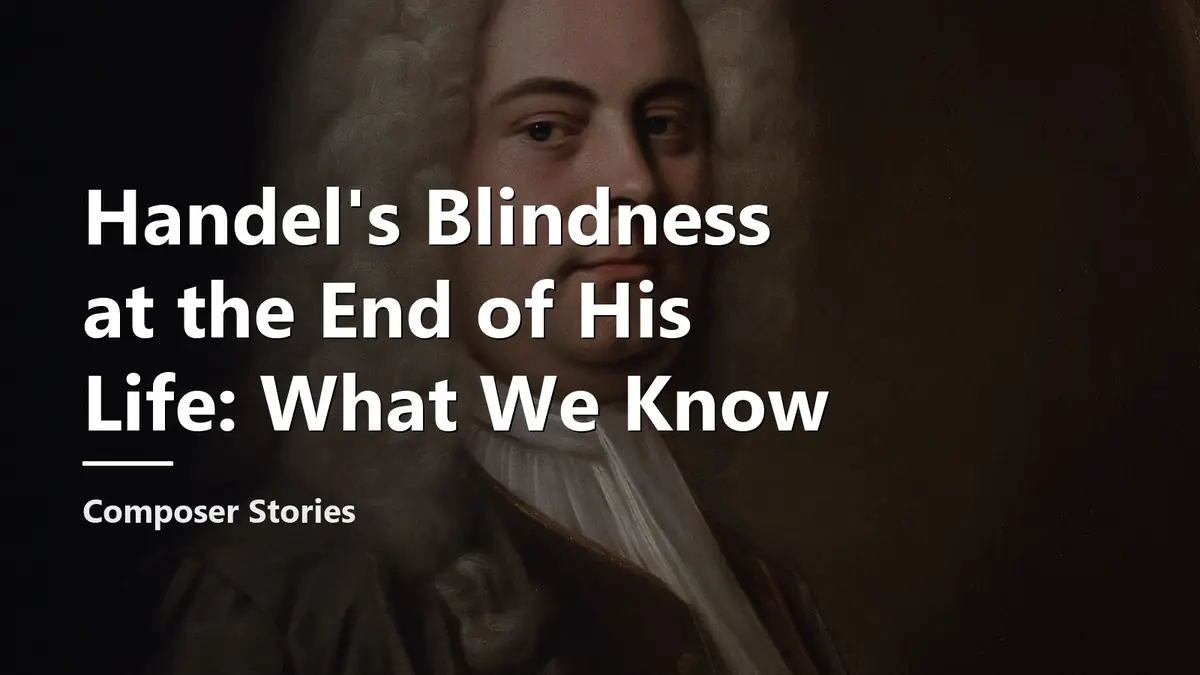
Explore handel blindness end of life through the documented timeline, the uncertain cause of his vision loss, and the music he continued to perform.
Does classical music for studying improve focus? Learn what research says about concentration, the Mozart effect, stress, sleep, and choosing music for a task.
Schubert wrote his Fifth Symphony at nineteen, before illness and hardship arrived. The serene Andante con moto is a window into unclouded contentment—perfect for slow mornings and gentle reflection.
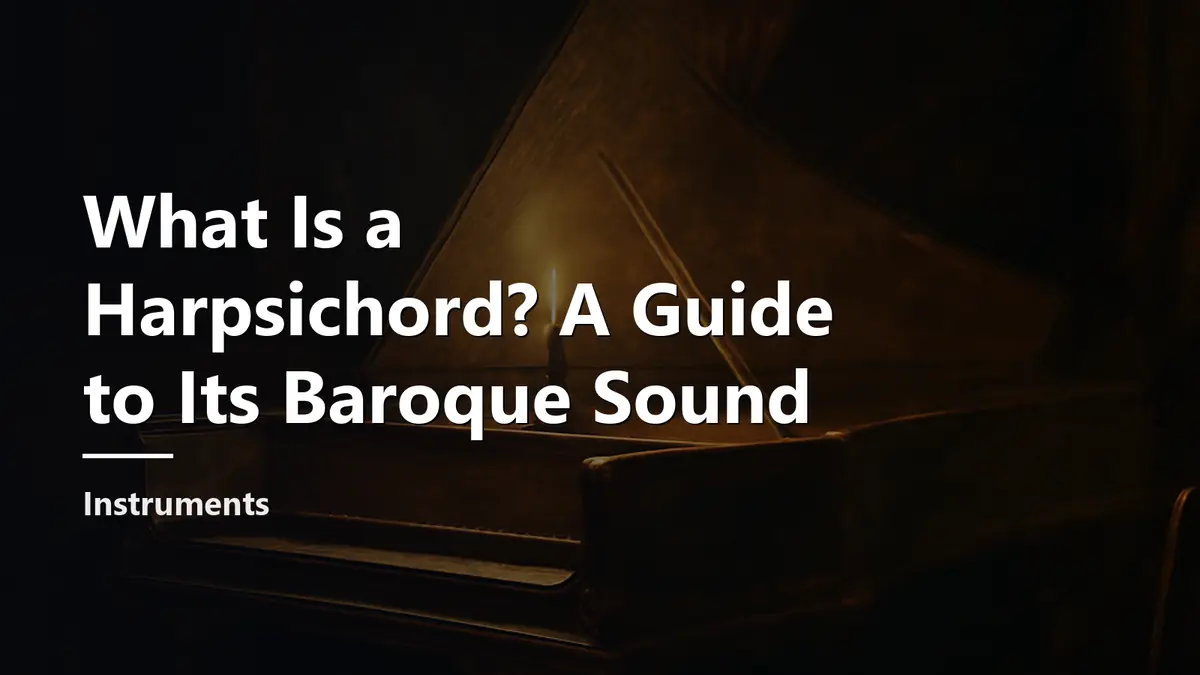
What is a harpsichord? Learn how its plucked strings differ from a piano's hammers, why it shaped Baroque music, and what to notice in Bach.
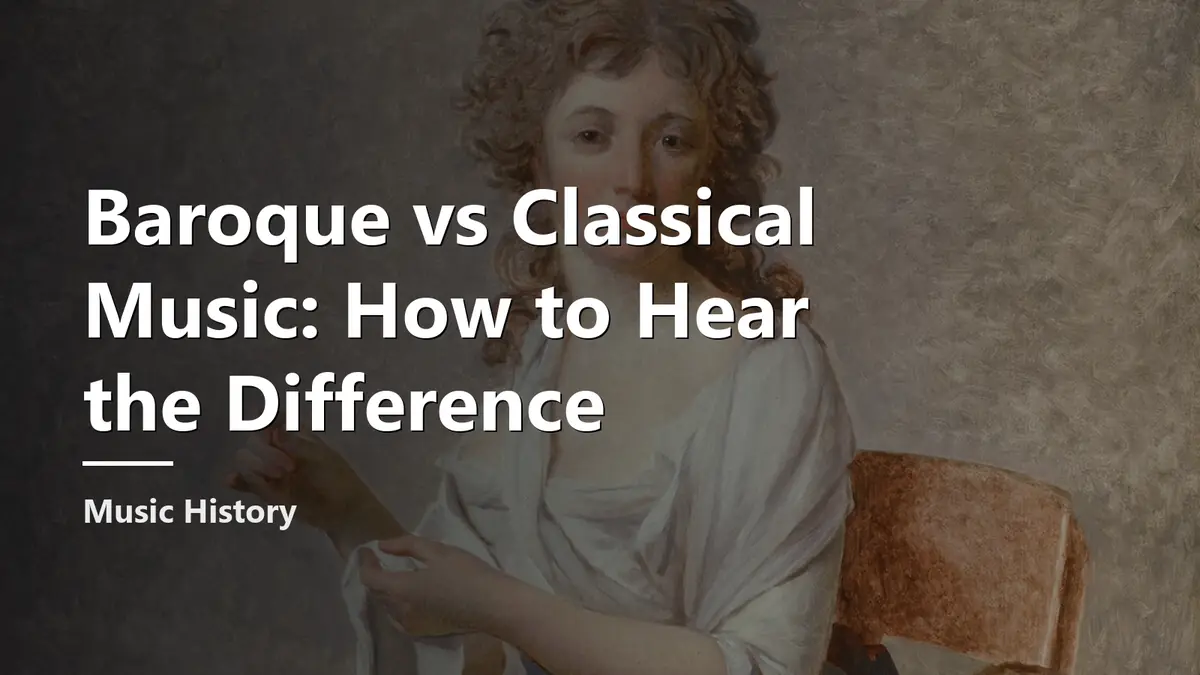
Baroque vs classical music is easier to tell apart when you compare texture, rhythm, instruments, and melody in works by Bach, Vivaldi, Haydn, and Mozart.
Discover Chopin's Berceuse, Op. 57 (1844), a hypnotic Romantic-era lullaby in D-flat major. A beginner's guide to its dreamlike variations, gentle rocking rhythm, and the best recordings for late-night calm.
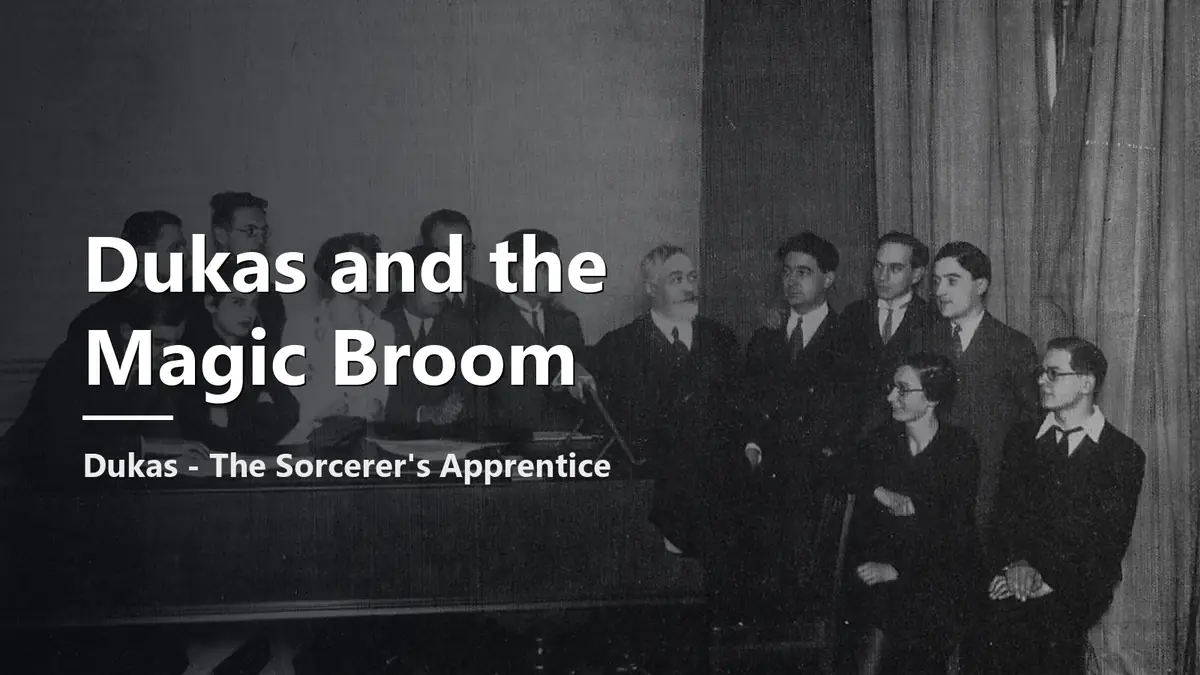
Discover the Dukas Sorcerer's Apprentice backstory, from Goethe's runaway broom to its 1897 Paris premiere and its later life in Fantasia.
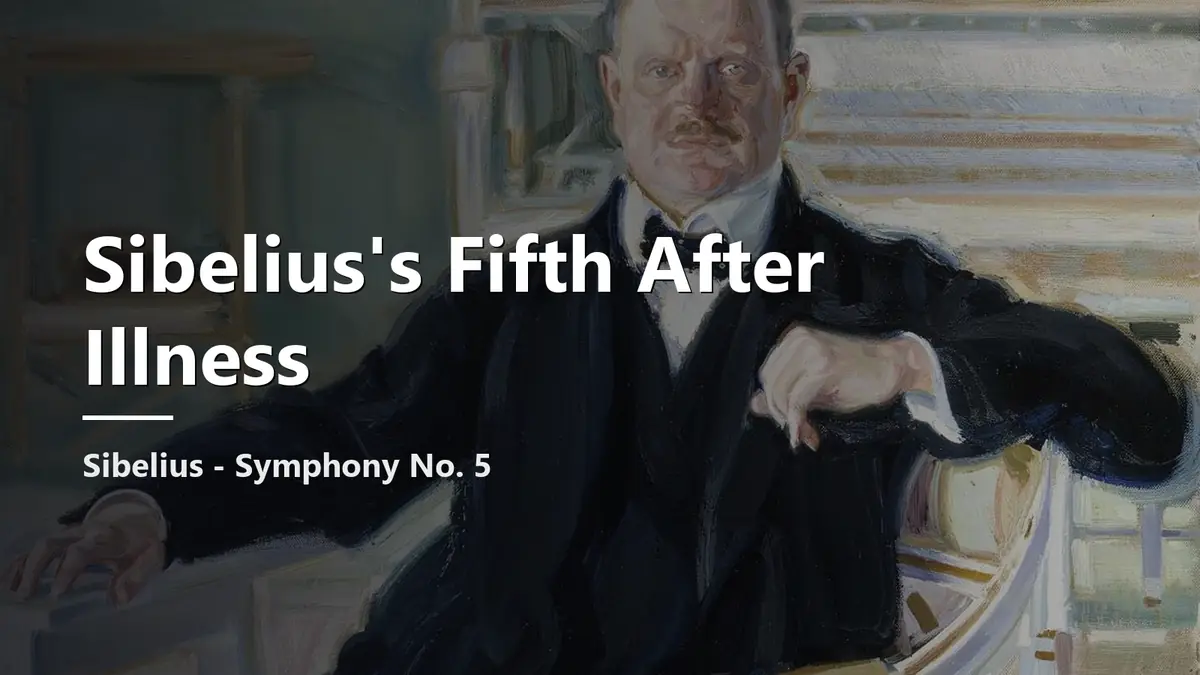
Explore Sibelius Symphony No 5 composition history, from a frightening health crisis and swan sightings to the revisions that shaped its powerful ending.