Classical Music for Studying: What the Research Shows
Does classical music for studying improve focus? Learn what research says about concentration, the Mozart effect, stress, sleep, and choosing music for a task.
Schubert wrote his Fifth Symphony at nineteen, before illness and hardship arrived. The serene Andante con moto is a window into unclouded contentment—perfect for slow mornings and gentle reflection.
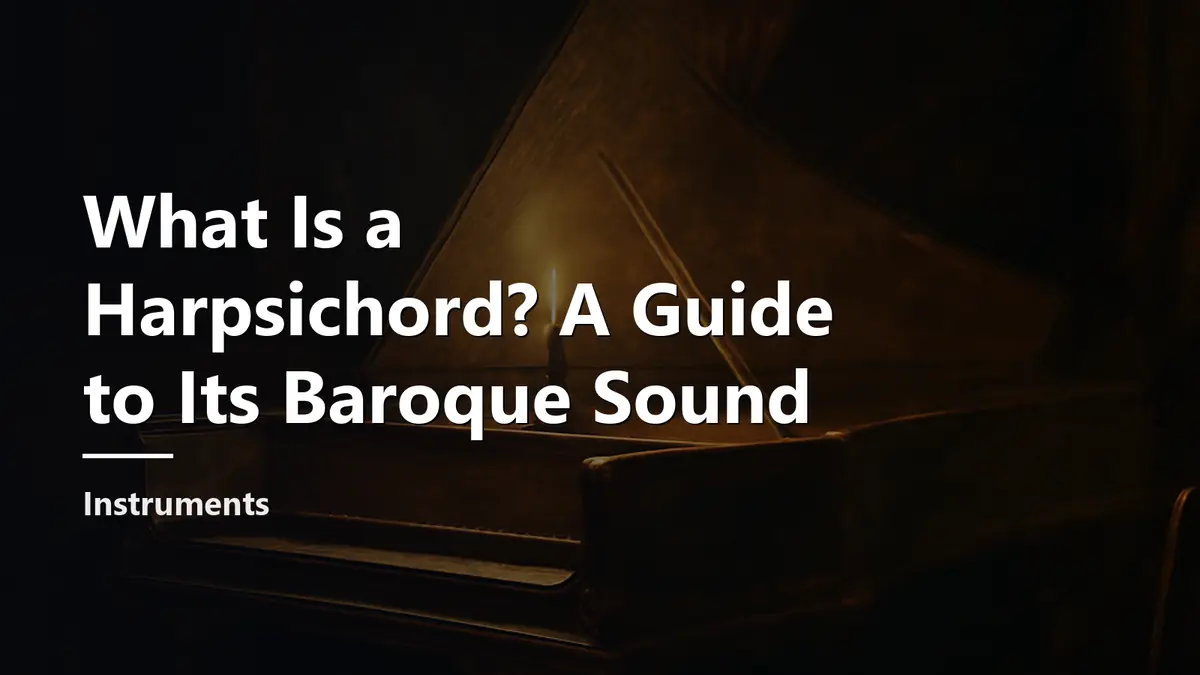
What is a harpsichord? Learn how its plucked strings differ from a piano's hammers, why it shaped Baroque music, and what to notice in Bach.
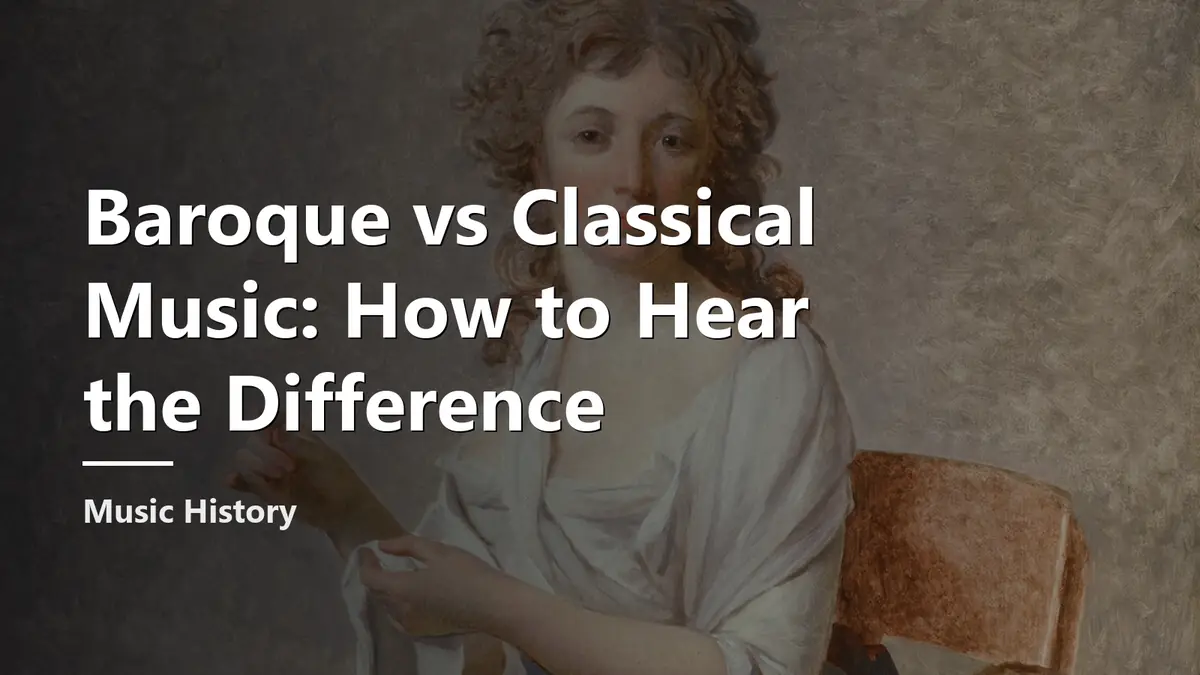
Baroque vs classical music is easier to tell apart when you compare texture, rhythm, instruments, and melody in works by Bach, Vivaldi, Haydn, and Mozart.
Discover Chopin's Berceuse, Op. 57 (1844), a hypnotic Romantic-era lullaby in D-flat major. A beginner's guide to its dreamlike variations, gentle rocking rhythm, and the best recordings for late-night calm.
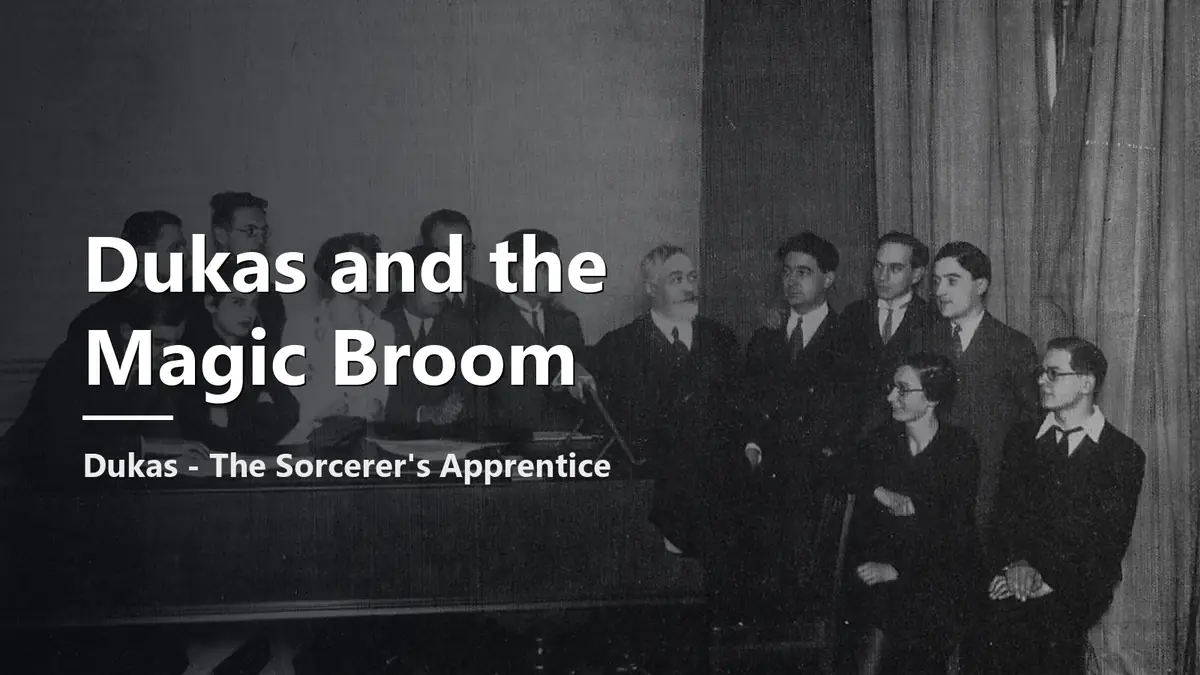
Discover the Dukas Sorcerer's Apprentice backstory, from Goethe's runaway broom to its 1897 Paris premiere and its later life in Fantasia.
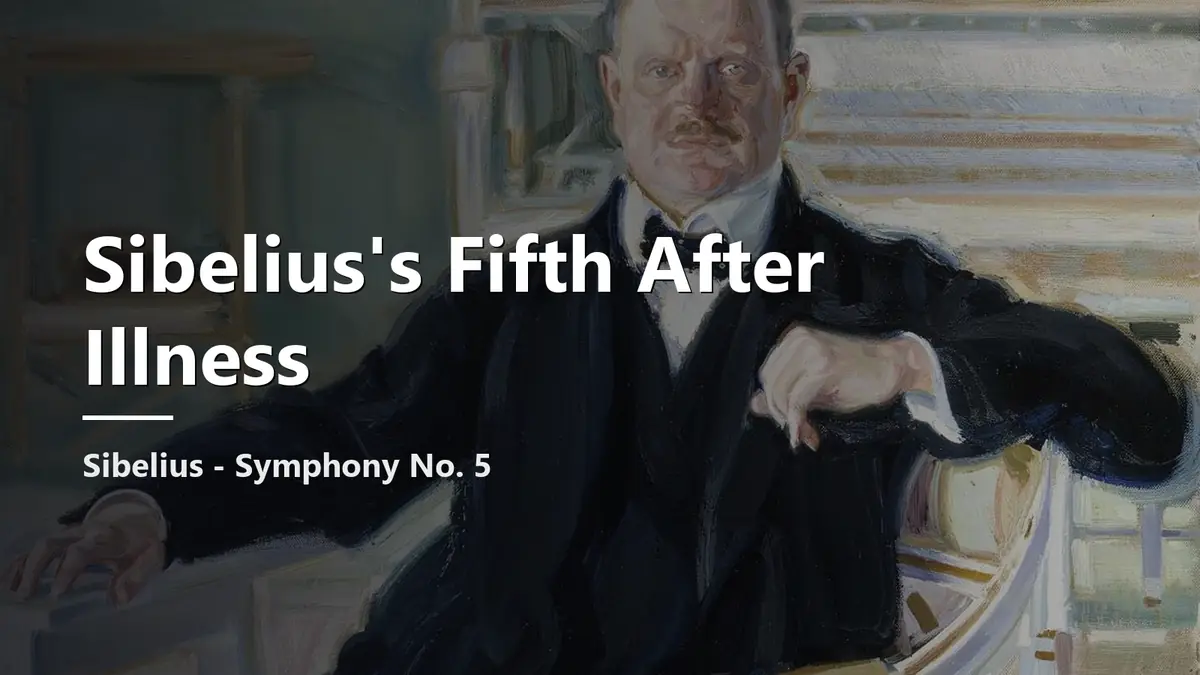
Explore Sibelius Symphony No 5 composition history, from a frightening health crisis and swan sightings to the revisions that shaped its powerful ending.
Schubert's 1822 Wanderer Fantasy opens with relentless fire—the Allegro con fuoco that famously defeated even Schubert at the keyboard. A guide for beginners to its drive, drama, and obsessive theme.
Beethoven's shortest, fiercest string quartet, written in 1810 during a year of personal crisis. A beginner's guide to the explosive Allegro con brio that he himself called too intense to perform in public.
Vivaldi's 1712 Stabat Mater is nothing like The Four Seasons. Discover why this hushed, grief-stricken alto aria from his earliest sacred work has quietly become a refuge for overwhelmed listeners.