Classical Music Used in Movies: Famous Scenes Explained
Classical music used in movies can make a scene feel grand, frightening, or intimate. Learn the names behind famous film moments and hear them anew.
0 Comments
November 4, 2026
Classical music used in movies can make a scene feel grand, frightening, or intimate. Learn the names behind famous film moments and hear them anew.
Classical concert etiquette for beginners is simple: learn when to clap, what to wear, and how to choose a program so you can enjoy your first visit.
Why does music give me chills? Learn how anticipation, surprise, memory, and brain reward circuits may turn a passage of music into goosebumps.
What is impressionist music? Learn when it emerged, how its colors and harmonies work, and five pieces that make its sound easy to recognize.
Find classical music for a road trip with eight vivid pieces, from a bold symphony finale to a playful piano march, arranged to keep a long drive moving.
Learn how to listen to a symphony with a simple map of its movements, tempo markings, and recurring ideas, plus approachable pieces to try tonight.
Classical music in horror movies can unsettle without a jump scare. Hear how The Shining, The Exorcist, and other films transform familiar works.
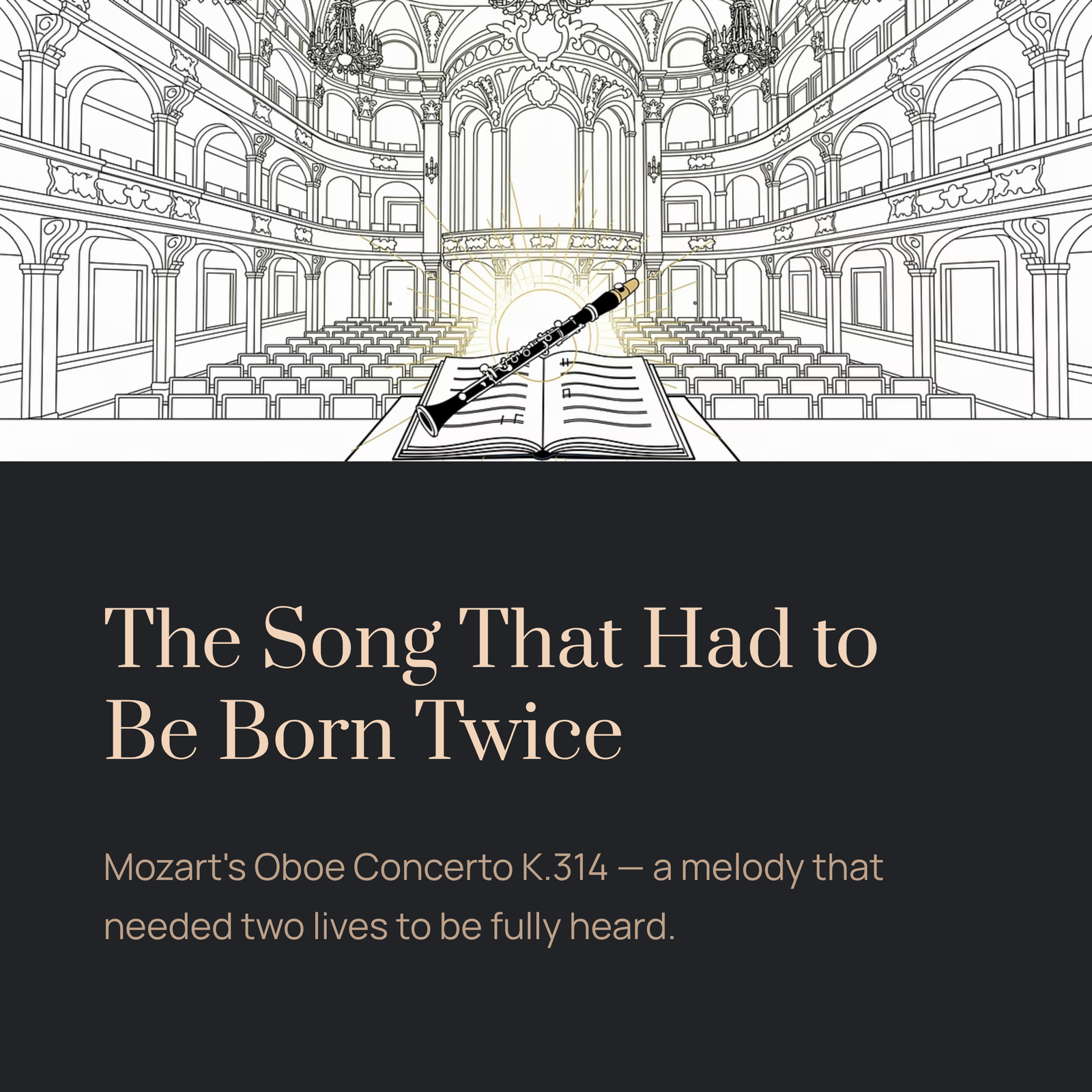
Mozart wrote this sublime Adagio in 1777—then quietly gave it away to another instrument. Why? And what does it feel like to finally hear it on the voice it was meant for?
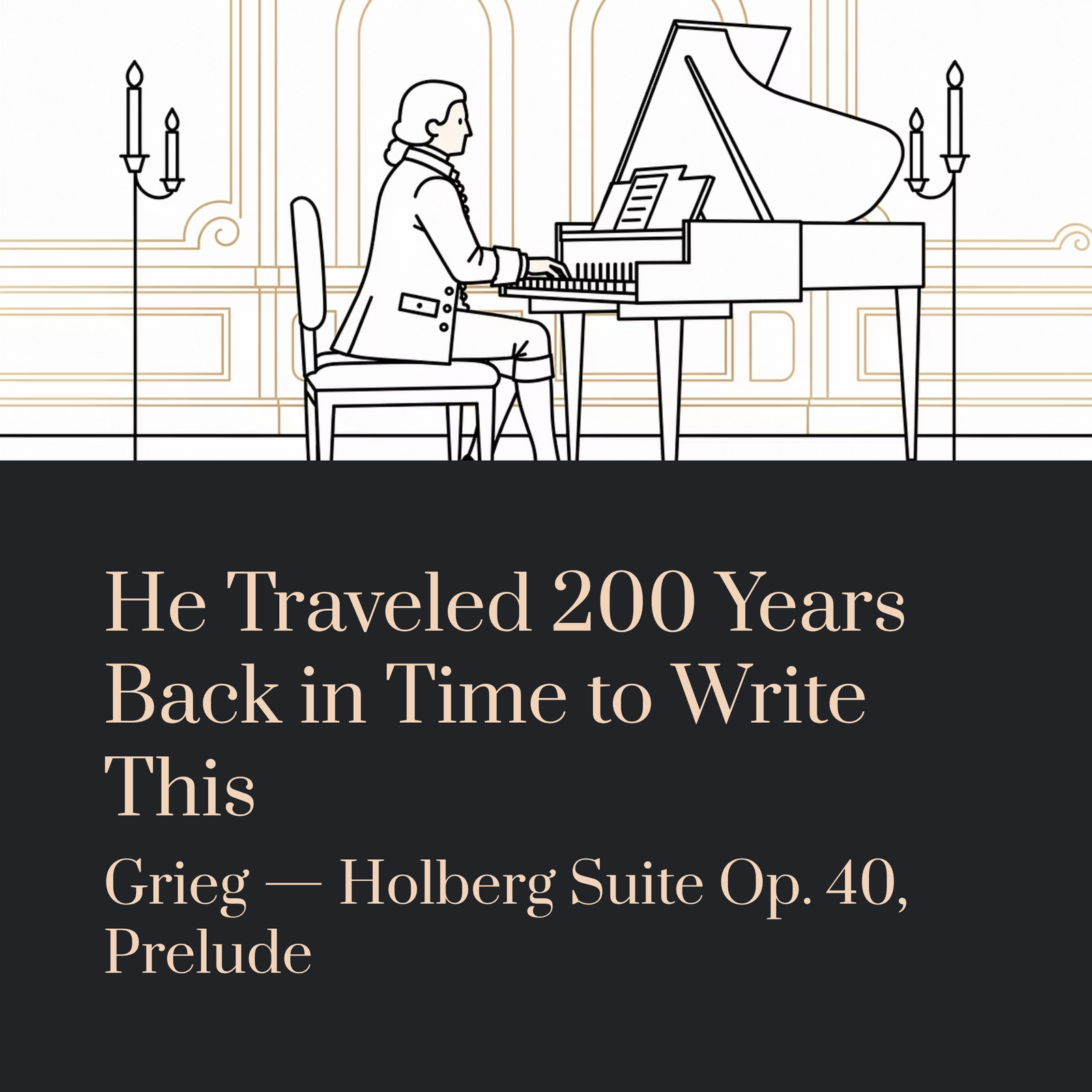
Grieg wrote the Holberg Suite in 1884 to honor a playwright dead for 130 years—by resurrecting Baroque style with Romantic fire. A listening guide for beginners.
Composed in 1803 as Beethoven privately faced deafness, the Waldstein Sonata's opening movement erupts with unstoppable forward momentum — a defiance dressed as music.