Holst The Planets Best Recording: Three Versions Compared
Looking for the Holst The Planets best recording? Compare Boult and two Karajan performances, from the force of Mars to Neptune's fading chorus.
0 Comments
November 4, 2026

Looking for the Holst The Planets best recording? Compare Boult and two Karajan performances, from the force of Mars to Neptune's fading chorus.

Discover Debussy's 1910 piano miniature The Girl with the Flaxen Hair (La fille aux cheveux de lin), a tender, dreamlike portrait perfect for quiet mornings, gentle focus, and unwinding. A beginner's listening guide.
Composed around 1730, Bach's Air from Orchestral Suite No. 3 has become one of the most soothing pieces in classical music. Here's why this slow, weightless melody still works as instant calm.
How a 19-year-old Rachmaninoff wrote the doom-laden piece that made him famous and trapped him forever. A beginner's guide to the 'Bells of Moscow' Prelude, its meaning, and the best recordings to hear.
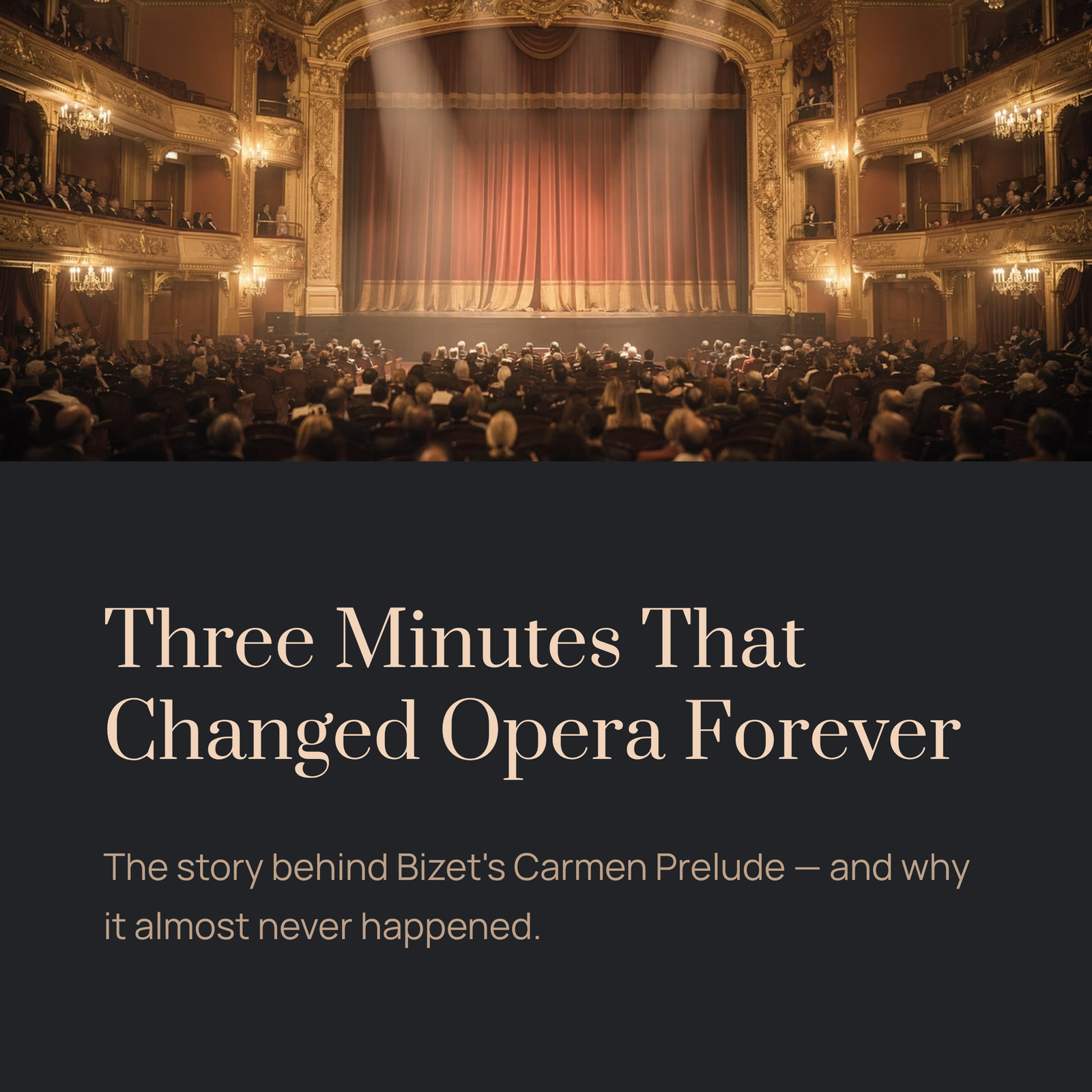
Discover why Bizet's Carmen Prelude remains the most electrifying opening in opera. Explore the story behind this 1875 masterpiece, its hidden structure, and the best recordings to experience its raw dramatic power.

James Horner's 1994 Legends of the Fall main theme captures grief, wilderness, and unbreakable family bonds through sweeping orchestral storytelling. A listening guide for film score and classical newcomers.
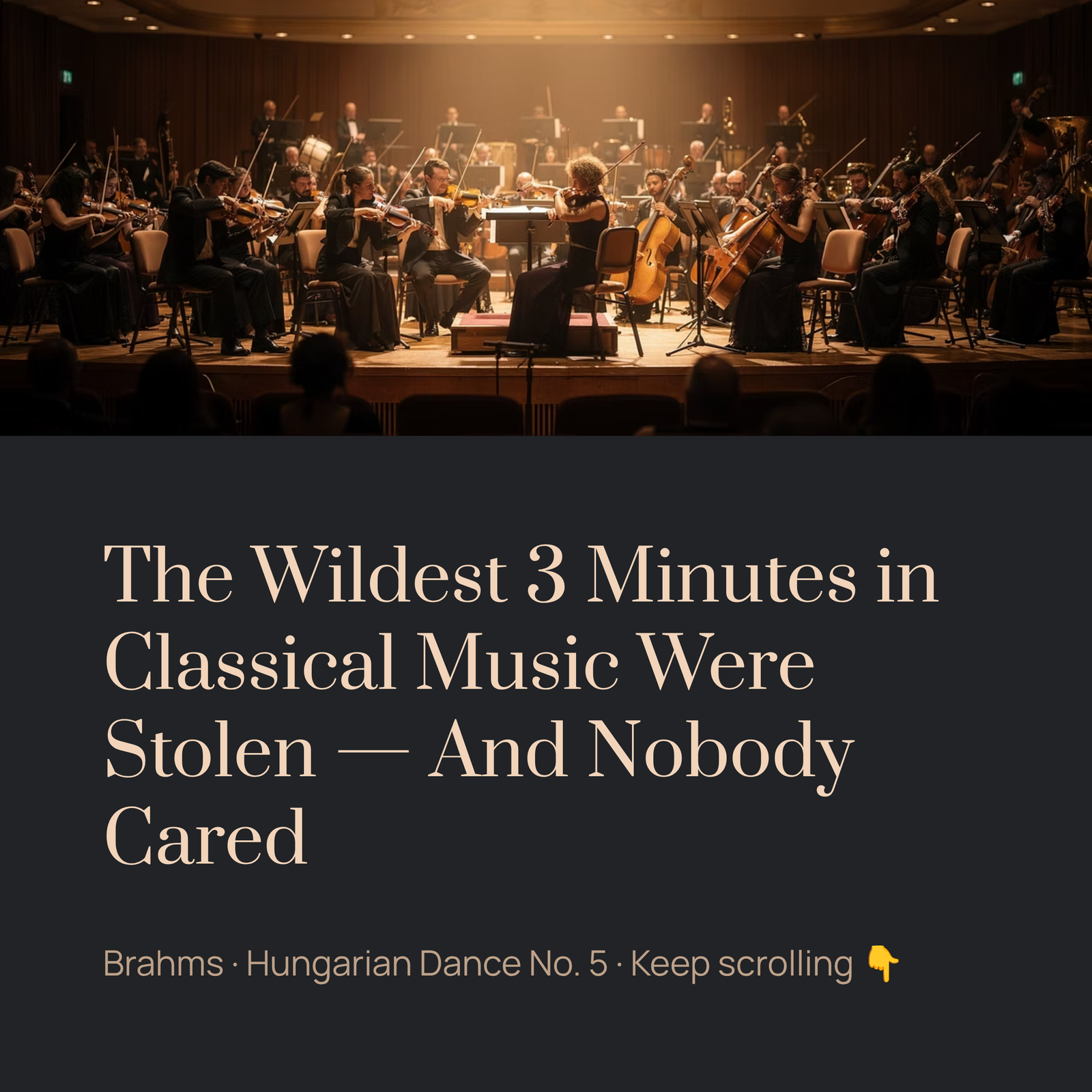
Brahms' Hungarian Dance No. 5 in G minor sparked a plagiarism scandal yet became one of the most recognized classical pieces ever. Discover the fiery Romani melodies, dramatic tempo shifts, and best recordings of this 1869 masterpiece.
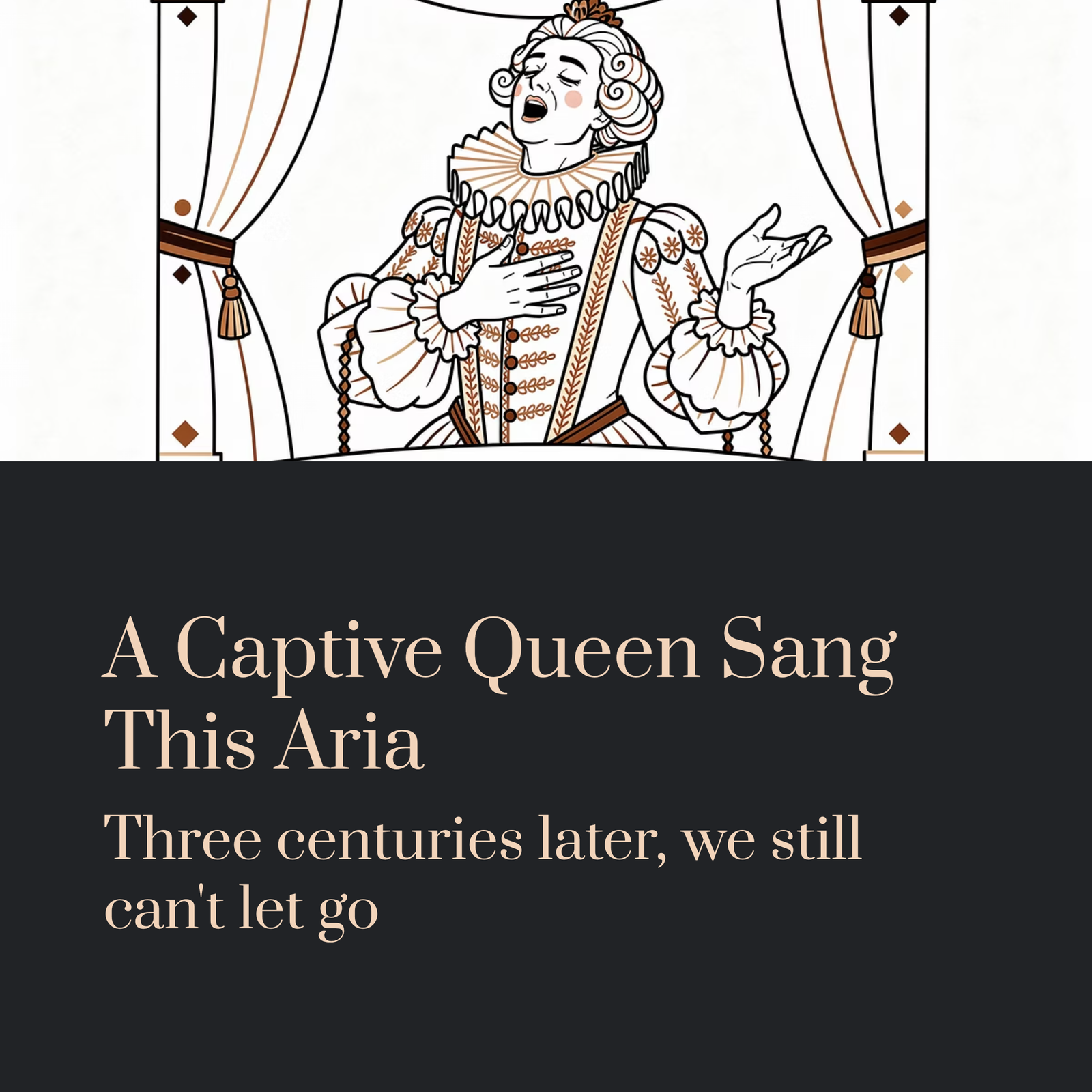
Discover why Handel's 'Lascia ch'io pianga' from the 1711 opera Rinaldo remains one of the most emotionally devastating arias ever written — a slow, aching prayer for freedom that transcends opera and speaks to anyone who has ever felt trapped.

Clara Schumann's final masterpiece, the first movement of Three Romances, tells a story of love and sorrow. Explore the gypsy pathos, piano's independent role, and tender quotations of Robert Schumann.

An emotional exploration of Mendelssohn Piano Trio No.1 in D minor Op.49, 2nd movement Andante con moto tranquillo, featuring lyrical beauty, Songs without Words style, and Arensky's Variations on Tchaikovsky