What Is a Cello and Why Does It Sound Like a Voice?
Curious about what is a cello and why it sounds like a human voice? Learn how the bow shapes its tone and hear the difference in five famous works.
0 Comments
November 21, 2026
Curious about what is a cello and why it sounds like a human voice? Learn how the bow shapes its tone and hear the difference in five famous works.

Classical music for a long drive, arranged from a gentle departure to a bright arrival, with nine pieces, clear start-at cues, and a practical energy plan.
Classical concert etiquette for beginners is simple: learn when to clap, what to wear, and how to choose a program so you can enjoy your first visit.
Find classical music for a road trip with eight vivid pieces, from a bold symphony finale to a playful piano march, arranged to keep a long drive moving.
Learn how to listen to a symphony with a simple map of its movements, tempo markings, and recurring ideas, plus approachable pieces to try tonight.

Written in just three days during Dvořák's 1893 summer in Spillville, Iowa, the American Quartet's opening movement turns homesickness into pure sunlight. A beginner's guide to one of chamber music's warmest works.
You've heard this melody a hundred times without knowing its name. Discover why Dvořák's Humoresque (1894) carries a homesick sweetness beneath its playful surface—and how to truly listen to it.
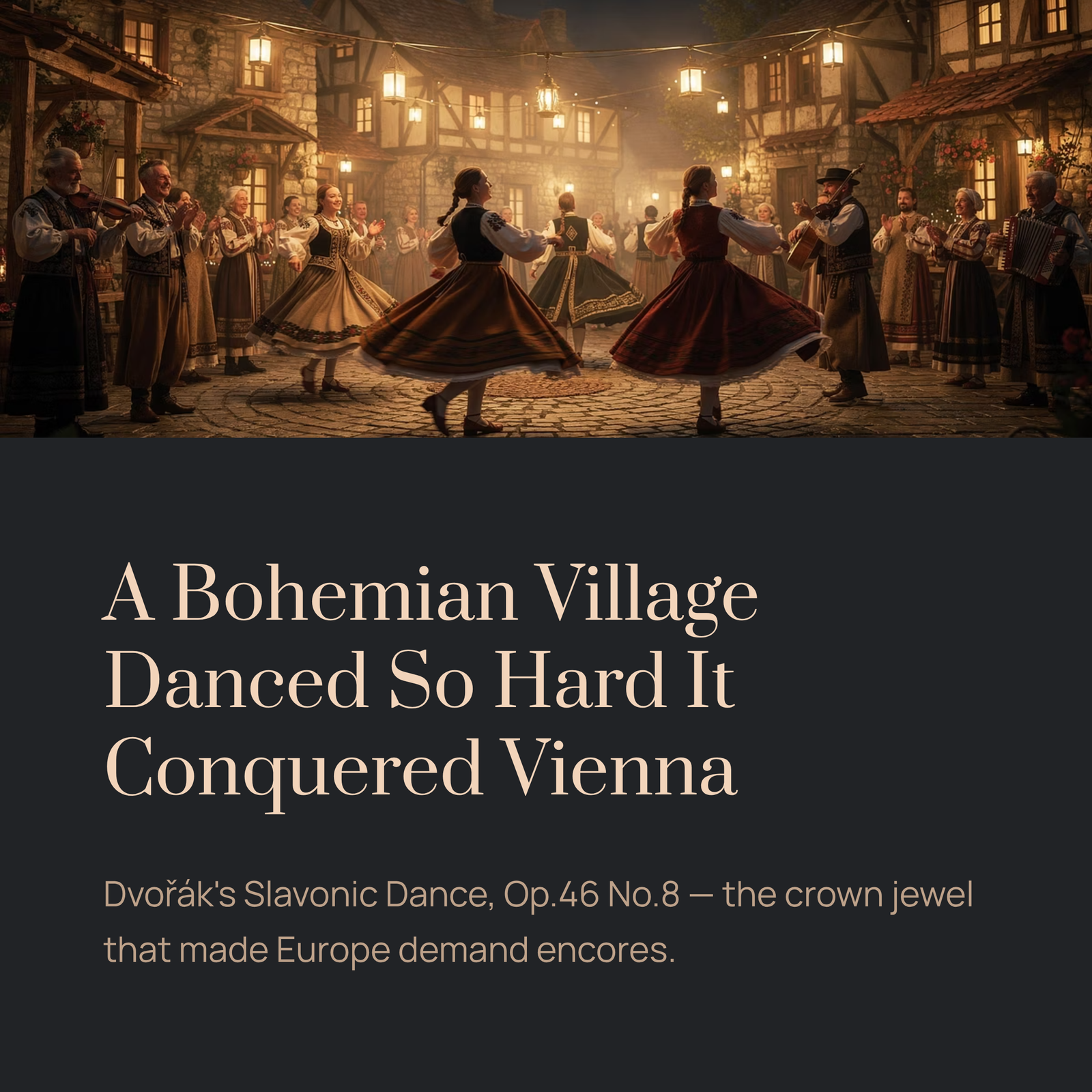
Discover how Dvořák's fiery Slavonic Dance in G minor launched a small-town Czech composer onto the world stage. A guide to the passion, rhythm, and heartbreak behind Op.46 No.8 — with listening tips and recommended recordings.
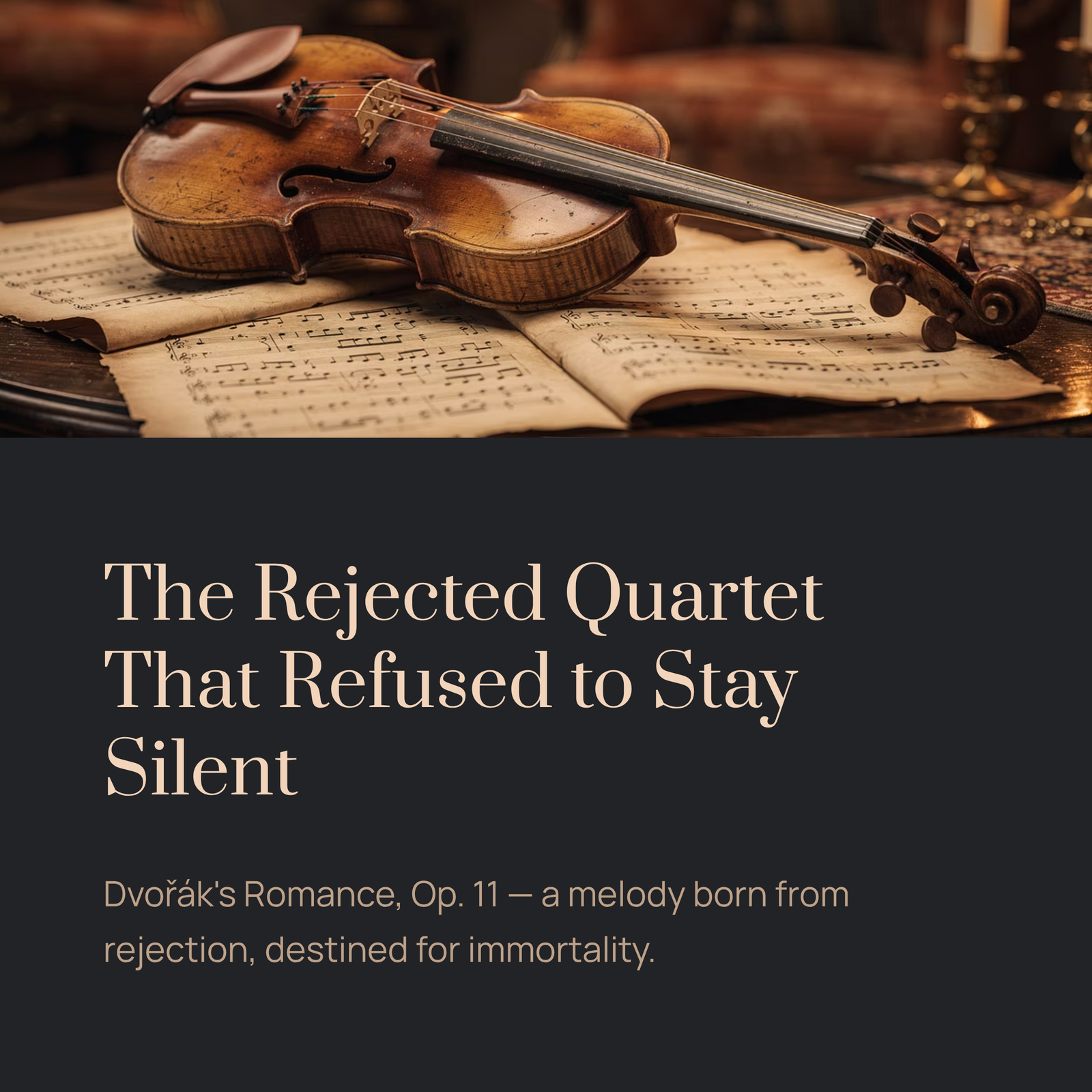
In 1873, musicians refused to play Dvořák's F minor quartet. Four years later, its haunting slow movement was reborn as one of the most beloved violin romances in orchestral history.

December 1893: audiences erupted before the orchestra finished playing. Discover why Dvořák's fiery finale still ignites concert halls 130 years later—and how a homesick Czech composer captured America's soul.