Orchestra Seating Chart Explained: Who Sits Where and Why
An orchestra seating chart explained in plain English: see where each section sits, why the layout changes, and how to follow the music from your seat.
Classical concert etiquette for beginners is simple: learn when to clap, what to wear, and how to choose a program so you can enjoy your first visit.
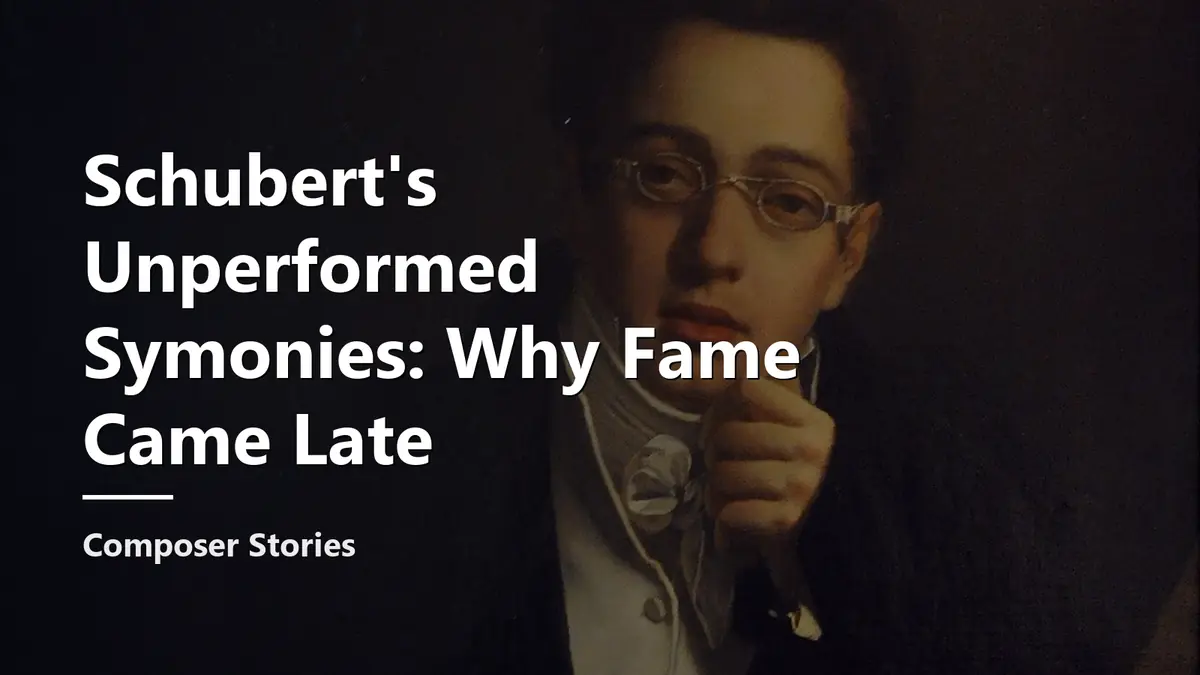
Why did so many Schubert symphonies go unperformed during his lifetime? Follow the Fifth, the Unfinished, and the Great from private music making to public fame.
Learn how to listen to a symphony with a simple map of its movements, tempo markings, and recurring ideas, plus approachable pieces to try tonight.
Looking for the best recording of Mozart Requiem? Compare Böhm, Gardiner, Harnoncourt, and Jacobs by choral weight, pacing, and instrumental color.
Khachaturian wrote the frantic Sabre Dance in a single sleepless night in 1942, almost as an afterthought. Here's why those two minutes of pure adrenaline became one of classical music's most addictive earworms.
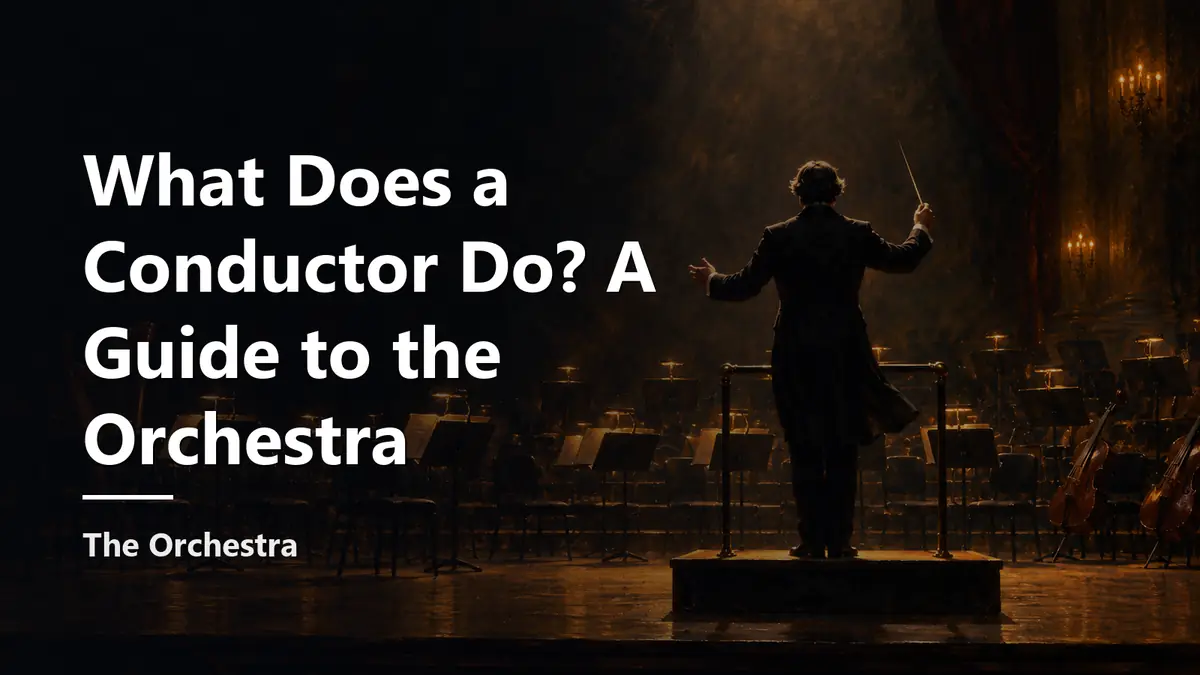
What does a conductor do beyond keeping time? Learn how rehearsals, cues, tempo, and orchestral seating shape what you hear in a live performance.
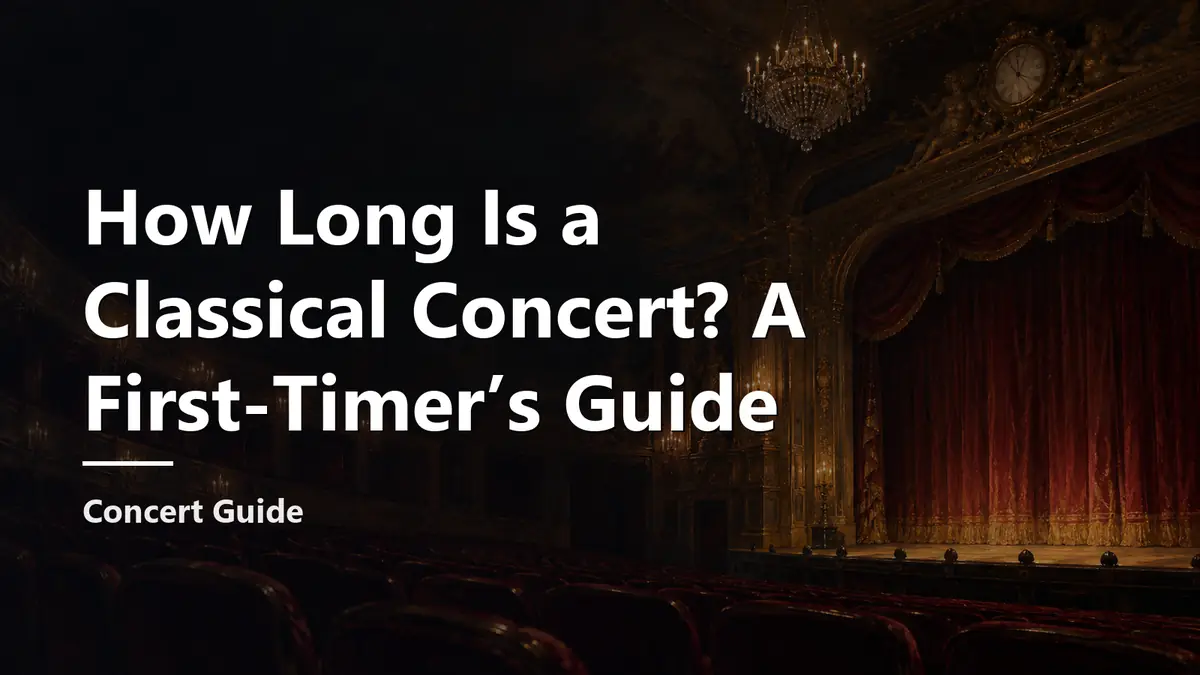
Wondering how long is a classical concert? Most last about two hours including intermission. Learn how to plan your evening and what to expect.
Schubert wrote his Fifth Symphony at nineteen, before illness and hardship arrived. The serene Andante con moto is a window into unclouded contentment—perfect for slow mornings and gentle reflection.
Baroque vs classical music is easier to tell apart when you compare texture, rhythm, instruments, and melody in works by Bach, Vivaldi, Haydn, and Mozart.