What Is a Cello and Why Does It Sound Like a Voice?
Curious about what is a cello and why it sounds like a human voice? Learn how the bow shapes its tone and hear the difference in five famous works.
0 Comments
November 21, 2026
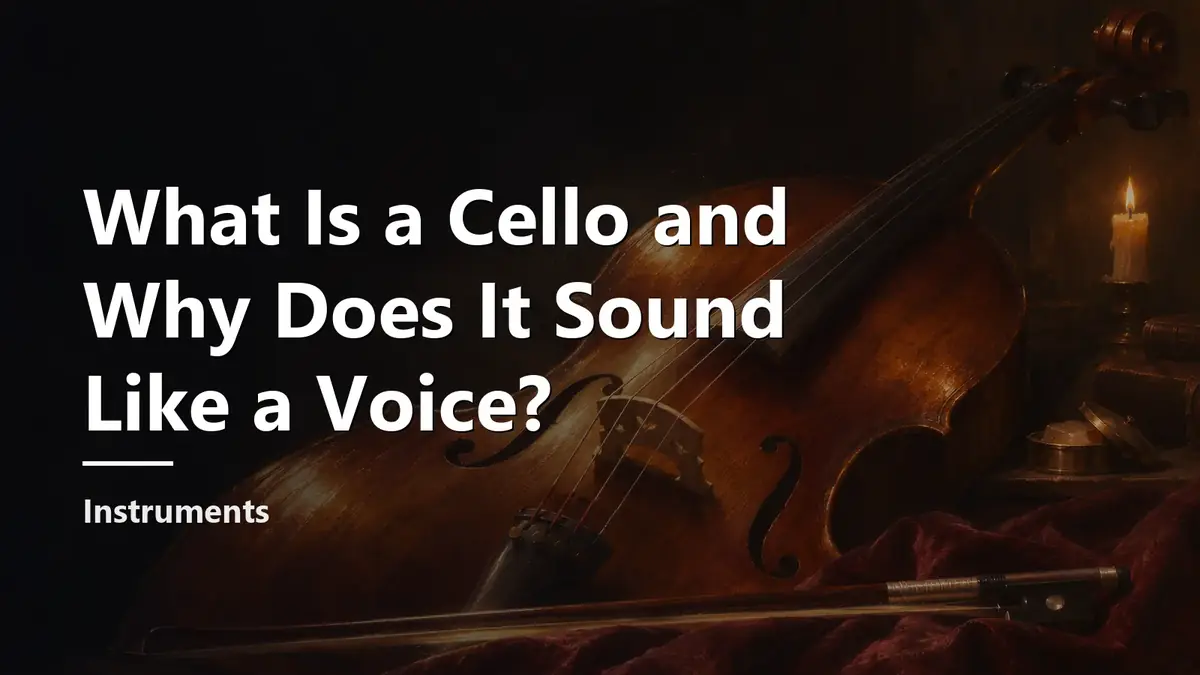
Curious about what is a cello and why it sounds like a human voice? Learn how the bow shapes its tone and hear the difference in five famous works.
Schubert wrote his Fifth Symphony at nineteen, before illness and hardship arrived. The serene Andante con moto is a window into unclouded contentment—perfect for slow mornings and gentle reflection.
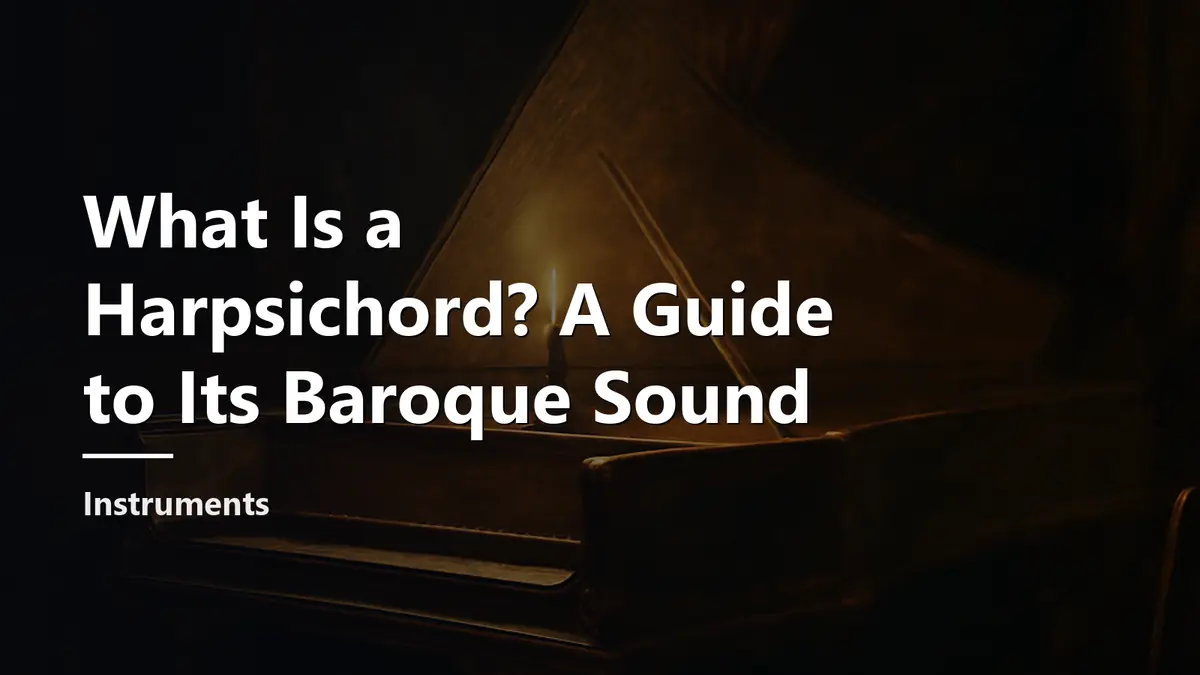
What is a harpsichord? Learn how its plucked strings differ from a piano's hammers, why it shaped Baroque music, and what to notice in Bach.
Beethoven's shortest, fiercest string quartet, written in 1810 during a year of personal crisis. A beginner's guide to the explosive Allegro con brio that he himself called too intense to perform in public.
Discover Grieg's overlooked 1883 Waltz-Caprices, Op. 37 — two glittering piano duets full of lilt and surprise. A beginner-friendly listening guide to one of the composer's hidden gems.
A beginner's guide to the relentless, racing Prelude of Bach's English Suite No. 2 in A minor (c. 1715). Discover why this Baroque keyboard work feels like perpetual motion and how to listen to it.
Tchaikovsky's 1876 piano miniature captures the quiet melancholy of a Russian October. A beginner's guide to its falling-leaf melody, its origins, and where to start listening.
Mark Isham's 1999 main theme for October Sky turns a coal-mining town's longing into music. A beginner-friendly guide to its strings, restraint, and quiet hope.
Tchaikovsky's 1876 piano miniature turns a crisp autumn hunt into galloping horns and racing hooves. A beginner's guide to one of his most thrilling short works.
A late-night listening guide to John Williams' 2002 Minority Report score—where icy sci-fi dread meets the tender ache of Sean's Theme. Perfect for focus, reflection, and rainy nights.