Rachmaninoff Étude-Tableau Op. 33 No. 2: Music That Paints Without Telling
A deeply personal journey through Rachmaninoff's luminous Étude-Tableau in C major, exploring the mystery of music that paints pictures without revealing what they are
An intimate journey through Vivaldi's Winter first movement, where violins transform into biting winds and trembling teeth. Discover how baroque genius turned winter's fury into unforgettable sound.
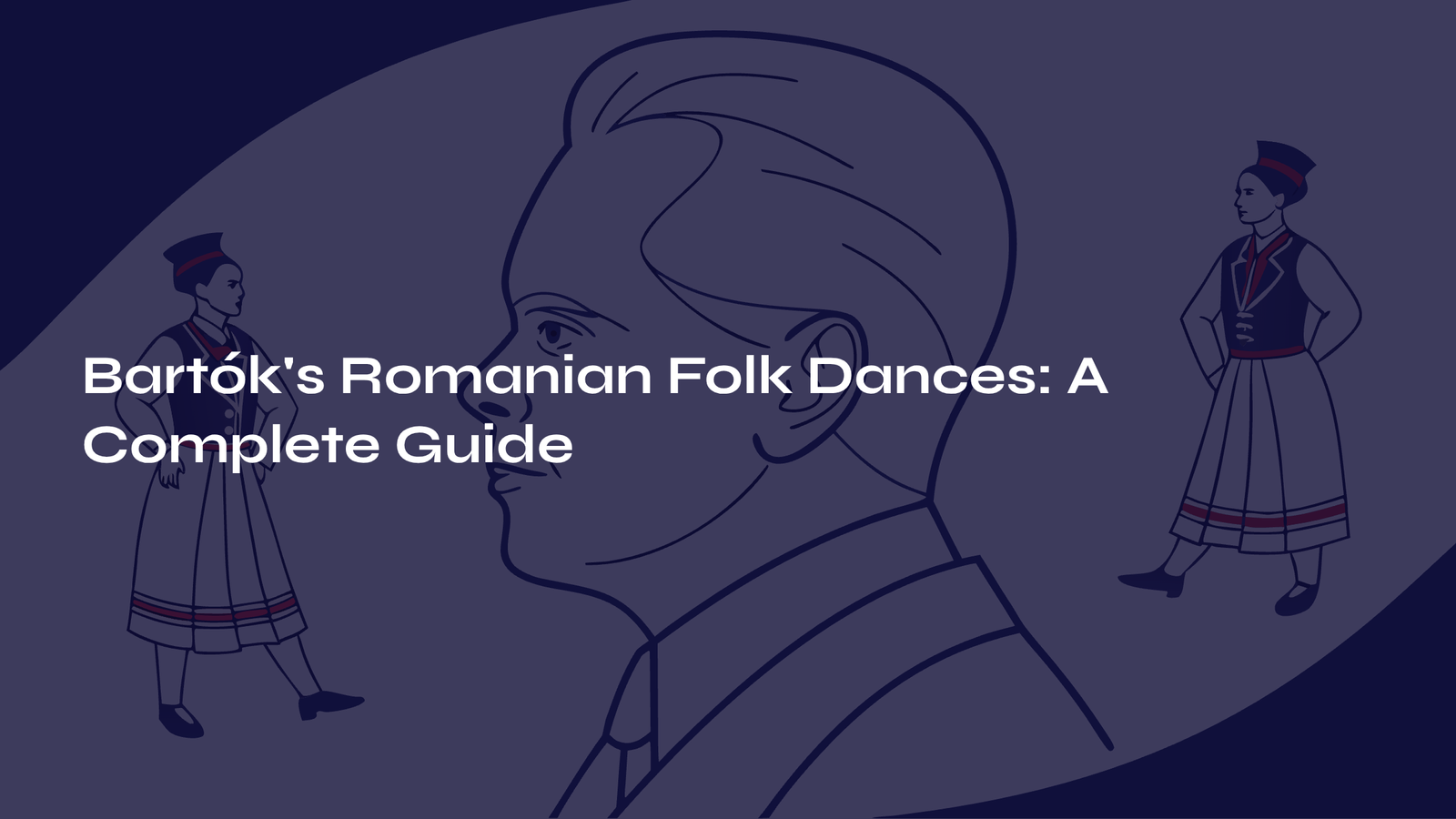
Hello! Today, I'm going to introduce you to **Bartók's Romanian Folk Dances** in a way that's easy to understand, even if you're new to classical musi...
Franz Liszt's 'Vallée d'Obermann' is not a mere landscape painting but a masterwork capturing the soul's inner struggle and transcendence. Experience the philosophical drama of Romanticism flowing from anguish to ecstasy, then back to uncertainty.
Experience the spiritual flight and mystical union in Alexander Scriabin's Piano Sonata No. 4, second movement "Prestissimo volando." A journey from desire to transcendence, from meditation to ecstasy—a brief yet intensely powerful masterpiece of classical piano.
Through the quietest and most unsettling music left by forgotten genius Alkan, "Song of the Madwoman on the Seashore," we walk the boundary between madness and solitude
Discover the masterpiece of composer-chemist Borodin depicting the musical encounter between Russia and Asia. A comprehensive listening guide and deep analysis for classical music beginners.
An intimate exploration of Vaughan Williams' Serenade to Music, where Shakespeare's poetry meets English musical genius in a celestial tapestry of voices and eternal beauty
Edvard Grieg's Lyric Pieces Op.38 No.6 Elegy. Explore the profound world of longing and melancholy that the Norwegian Romantic master painted on piano at his Troldhaugen retreat in Bergen.
Exploring the profound emotions and musical perfection of Mozart's only F# minor movement, the Adagio from Piano Concerto No. 23, a classical music appreciation essay