Gabriel’s Oboe by Ennio Morricone: Story and Meaning
Gabriel's Oboe by Ennio Morricone was written for The Mission in 1986. Discover its role in the film and three details to hear in the music.
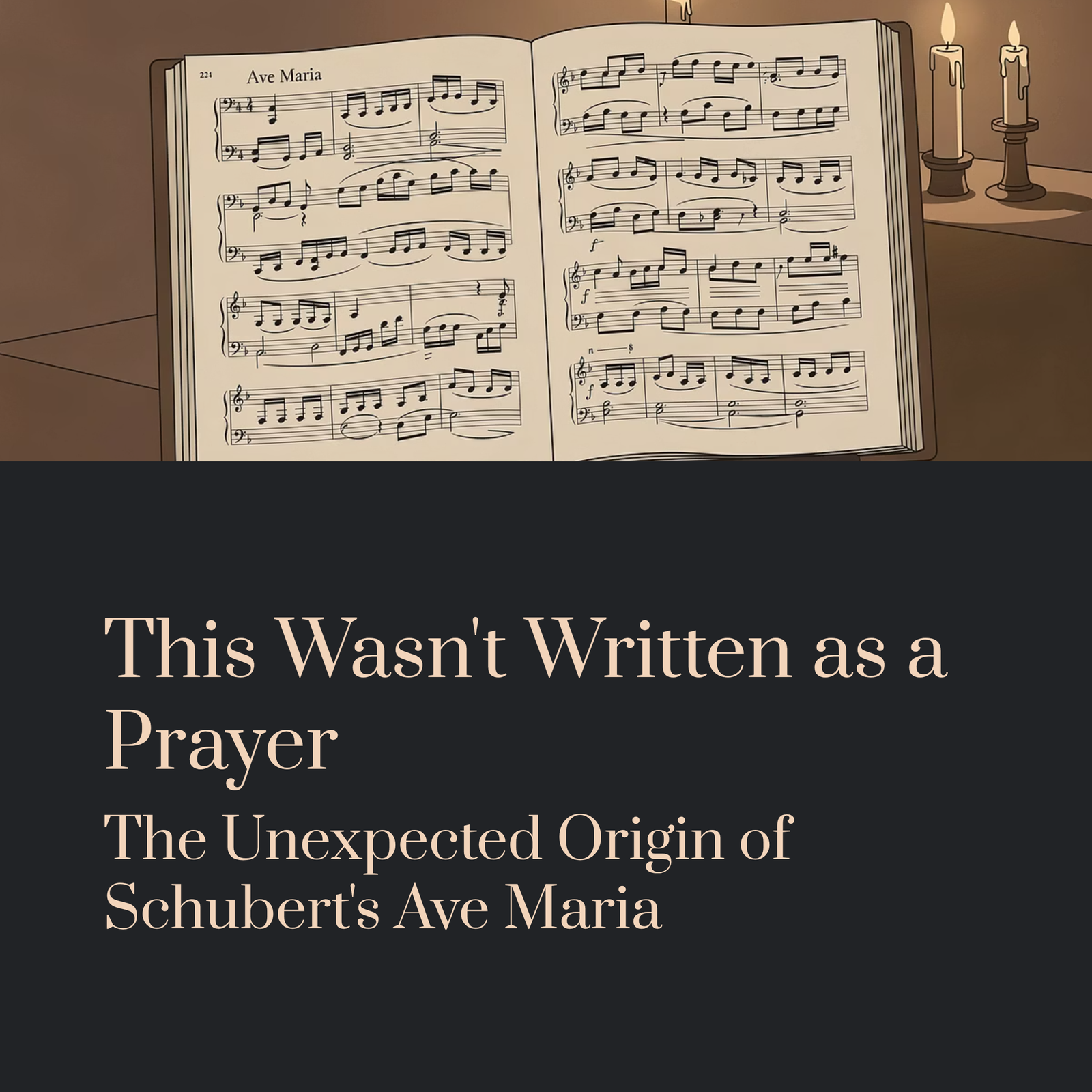
Schubert's Ave Maria (D.839) began as a scene from a Walter Scott poem, not a church hymn. Discover the surprising 1825 origin, emotional depth, and best recordings of this timeless melody.
Discover why Joe Hisaishi's 'Always With Me' from Spirited Away (2001) has become one of the most emotionally powerful piano pieces in modern cinema. A listening guide for classical beginners.
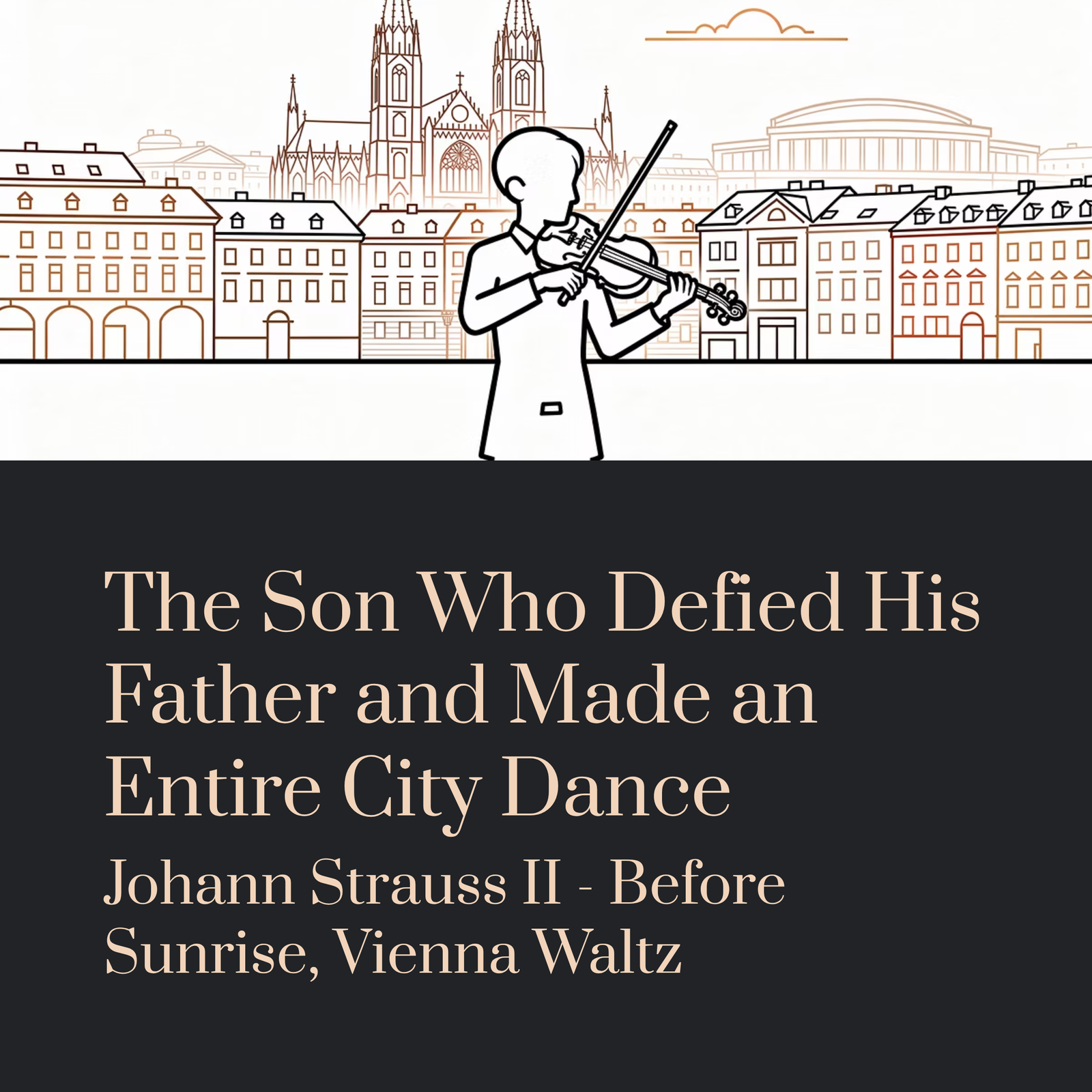
How a young man who secretly studied violin against his father's wishes became the Waltz King and transformed 19th-century Vienna into the world's grandest ballroom. A beginner-friendly guide to Johann Strauss II's immortal waltzes.
Discover the hidden Ottoman obsession behind Mozart's most recognizable piano melody. Written in 1783 Vienna, the Turkish March reveals far more than its playful surface — a cultural collision frozen in sound.
Discover Remedios' A Winter Story from the 1995 Japanese film Love Letter by Shunji Iwai. A hauntingly tender piano piece born in the snow-covered streets of Otaru, Hokkaido — and why it still moves listeners three decades later.
How a waltz born from military defeat in 1867 became the unofficial anthem of Austria. Discover the surprising origins, hidden structure, and best recordings of Strauss II's Blue Danube.
Discover who wrote Mariage d'Amour, what its French title means, why it circulates as Chopin's Spring Waltz, and what to listen for at the piano.
Discover the hidden heartbreak behind Beethoven's Für Elise (WoO 59), composed around 1810. Explore who Elise really was, why this miniature piano piece became the most recognized melody in classical music, and how to hear the emotional layers most listeners miss.
Discover the hidden story behind Cinema Paradiso's Love Theme — composed not by Ennio Morricone alone, but alongside his son Andrea in 1988. A Sicilian tale of lost love, flickering projectors, and the most heartbreaking melody in film history.