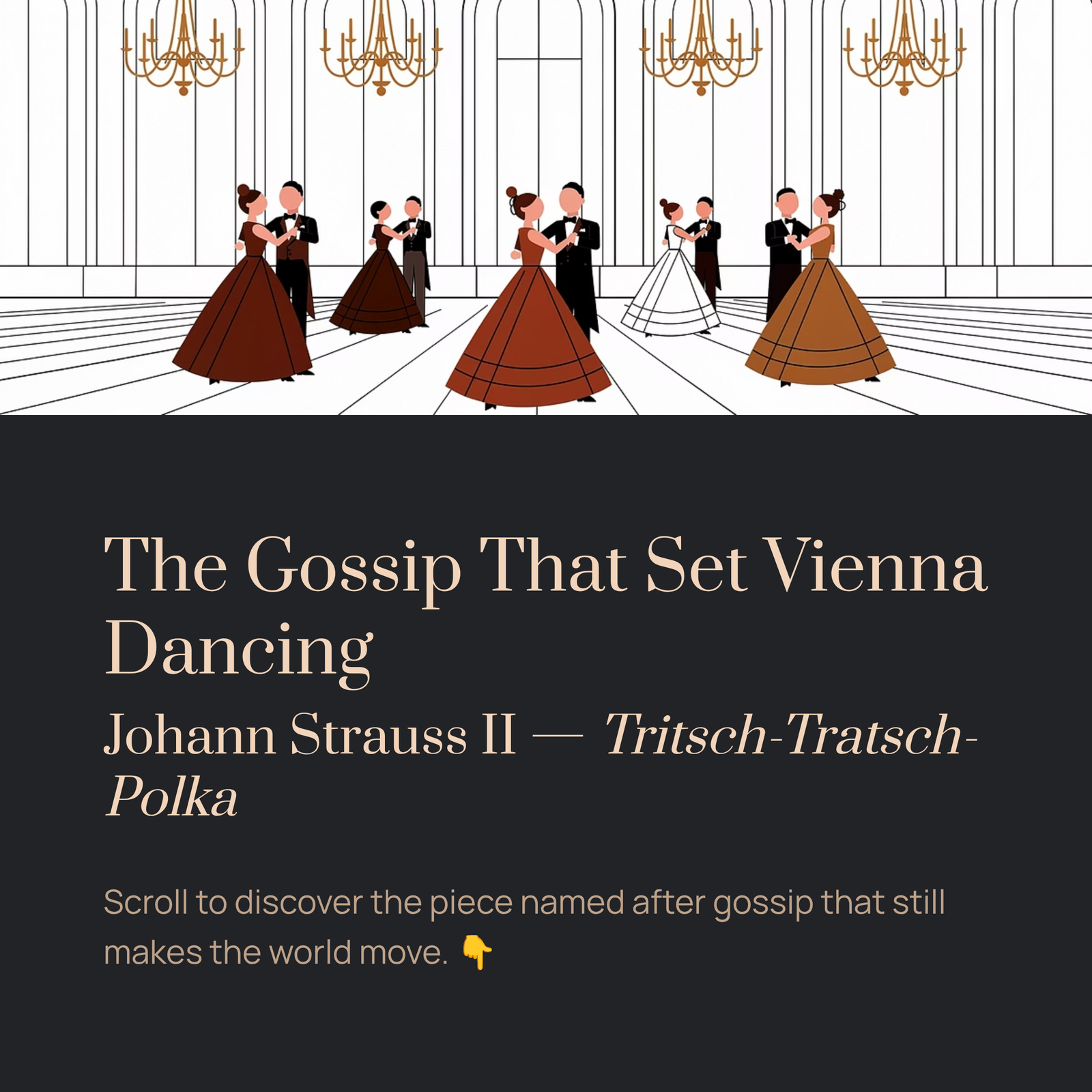
The Gossip That Set Vienna Dancing | Johann Strauss II – Tritsch-Tratsch-Polka
Composed in 1858, Tritsch-Tratsch-Polka captures the electric buzz of Vienna's ballrooms — and the irresistible rhythm of a city that couldn't stop talking.
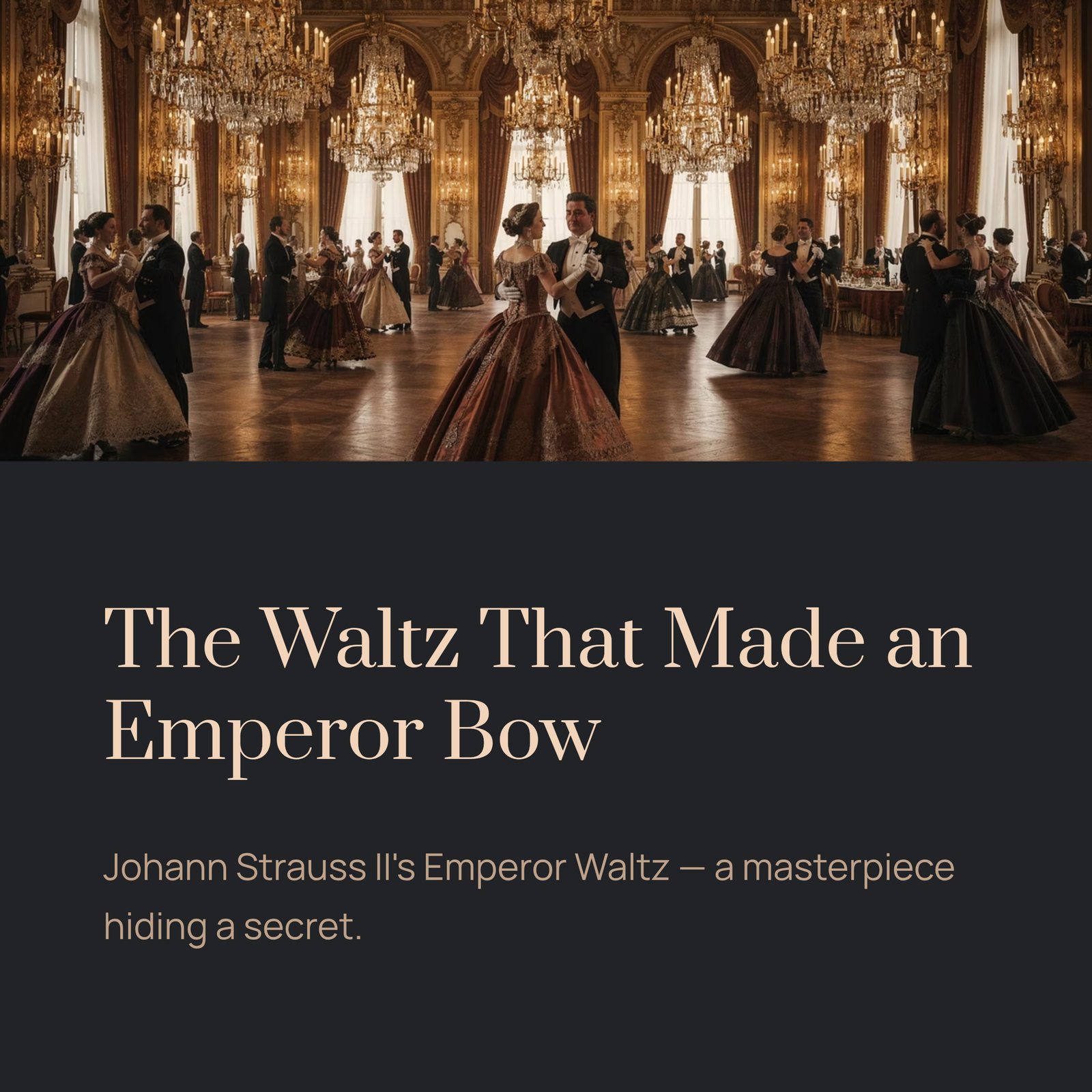
Discover how Johann Strauss II's Emperor Waltz (Kaiserwalzer, Op.437) from 1889 became the ultimate expression of imperial grandeur and Viennese elegance. A listening guide for classical music beginners.
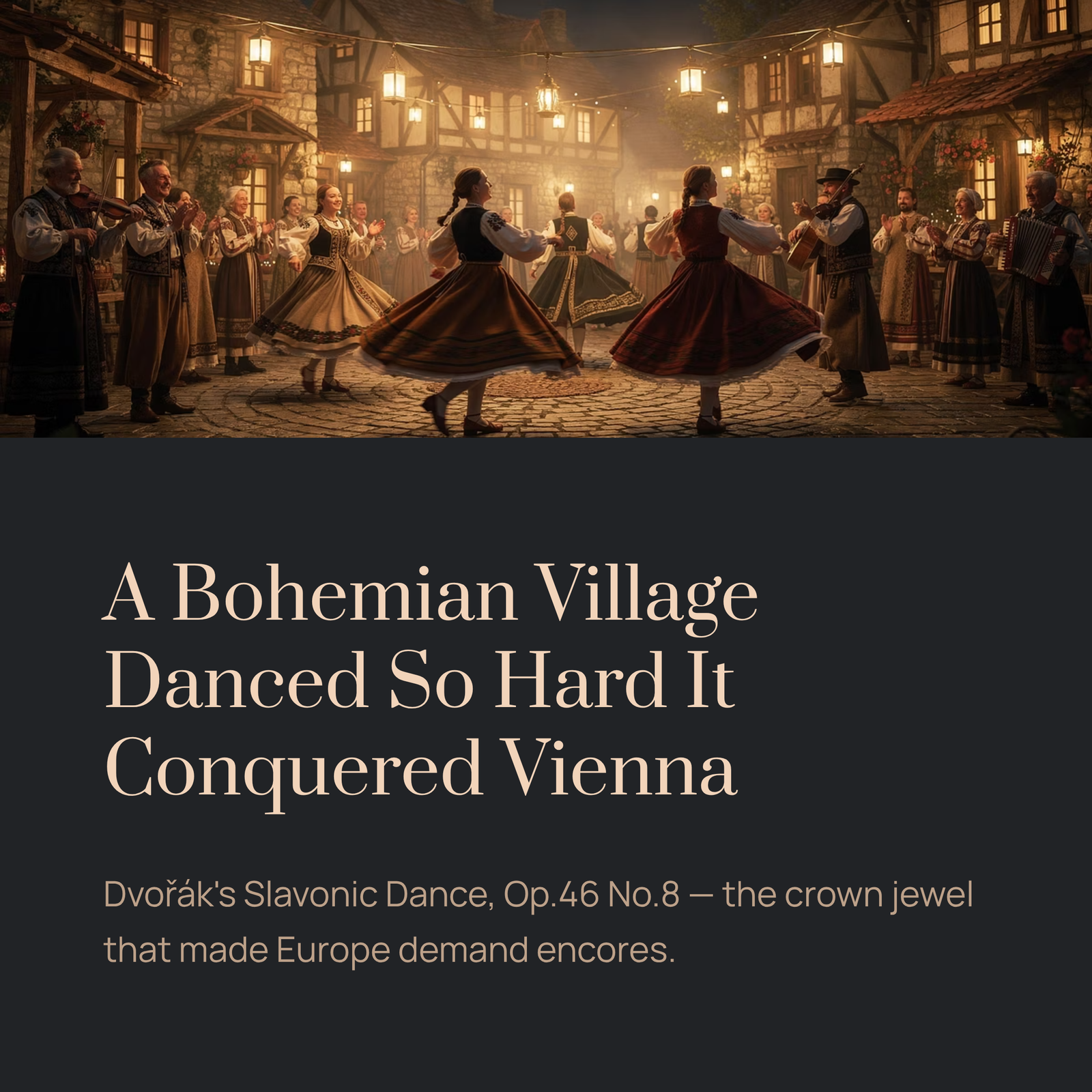
Discover how Dvořák's fiery Slavonic Dance in G minor launched a small-town Czech composer onto the world stage. A guide to the passion, rhythm, and heartbreak behind Op.46 No.8 — with listening tips and recommended recordings.
How a young man who secretly studied violin against his father's wishes became the Waltz King and transformed 19th-century Vienna into the world's grandest ballroom. A beginner-friendly guide to Johann Strauss II's immortal waltzes.
How a waltz born from military defeat in 1867 became the unofficial anthem of Austria. Discover the surprising origins, hidden structure, and best recordings of Strauss II's Blue Danube.
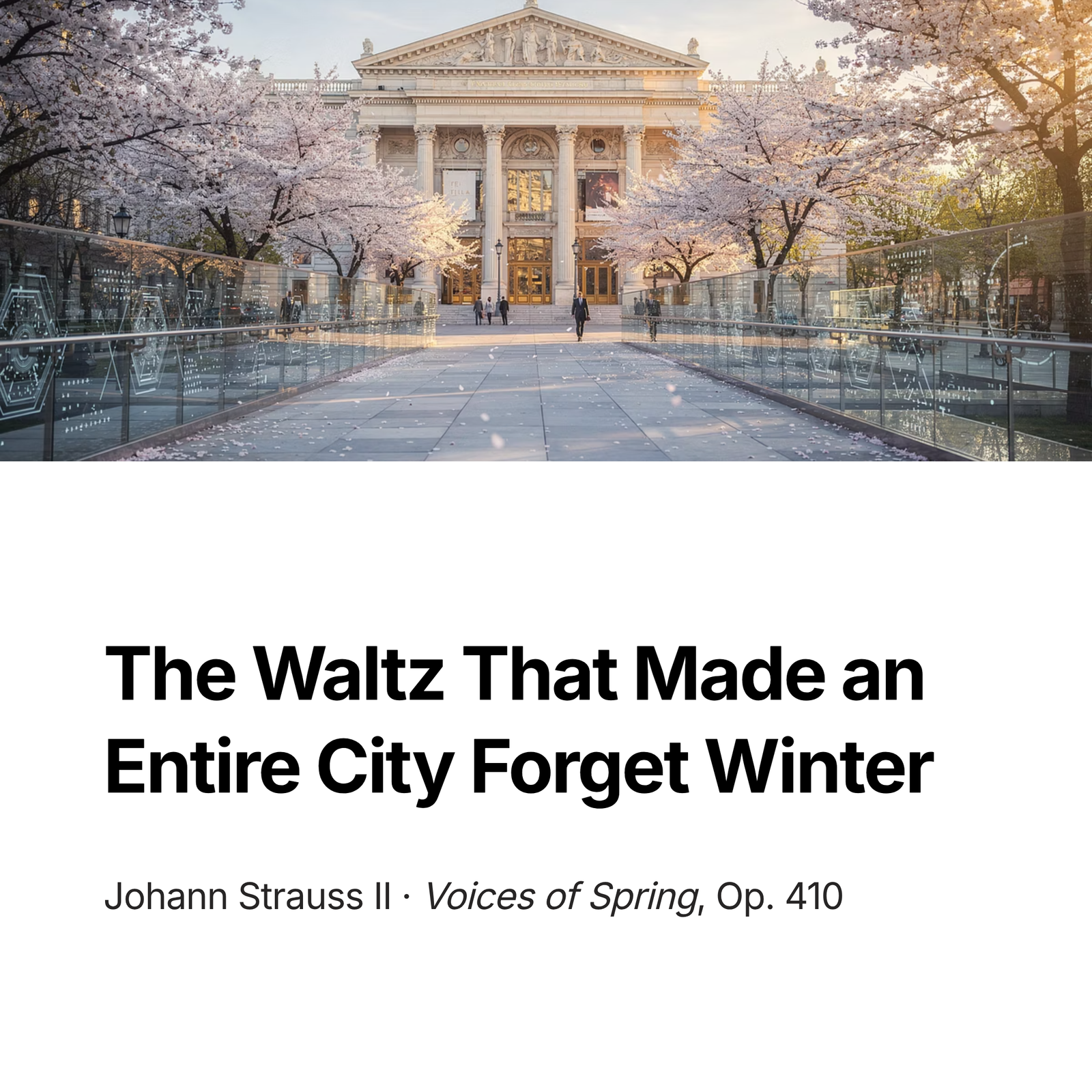
Discover how Johann Strauss II composed Voices of Spring in 1883 as a dazzling soprano showpiece that captured Vienna's joy of renewal. A listening guide with key moments, recommended performances, and the story behind this beloved waltz.
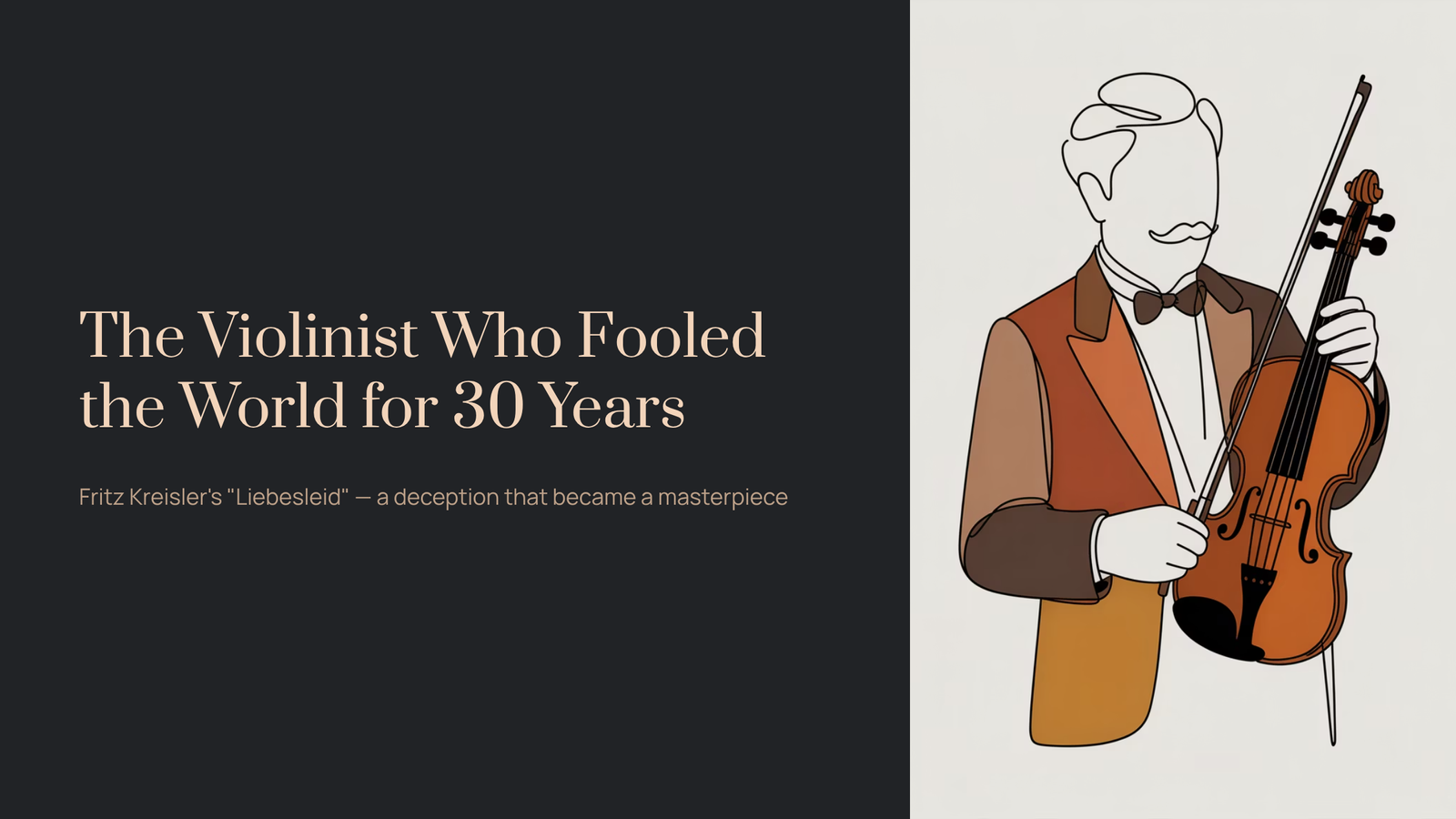
Discover the incredible story behind Fritz Kreisler's 'Liebesleid' — a masterpiece he pretended someone else wrote. Learn why this bittersweet waltz still moves listeners a century later.
Discover how violinist Fritz Kreisler deceived music critics for three decades with this sparkling Viennese waltz. A tale of genius, mischief, and pure musical joy from 1905.
Discover the witty friendship behind Mozart's beloved Horn Concerto No. 4. Composed in 1786 for horn virtuoso Joseph Leutgeb, this joyful Rondo captures hunting calls and playful banter in pure musical form.
Discover the fascinating story behind Mozart's iconic Turkish March from Piano Sonata No. 11, K. 331. Learn how 18th-century Vienna's obsession with Ottoman culture inspired one of classical music's most recognizable and energizing pieces.